Trigeminal Neuralgia
Trigeminal neuralgia (TN) is a chronic pain condition characterised by recurrent, unilateral, severe, electric shock-like pain in the distribution of one or more branches of the trigeminal nerve (cranial nerve V). The most common cause is vascular compression of the trigeminal nerve at its root entry zone near the brainstem.
Understanding Trigeminal Neuralgia
Trigeminal neuralgia is widely considered the most severe pain known to medicine — patients describe it as lightning bolts or electric shocks shooting through the face, triggered by trivial stimuli such as brushing teeth, shaving, eating, speaking, or even a gentle breeze. The pain is strictly unilateral, paroxysmal (lasting seconds to minutes), and limited to the trigeminal nerve distribution. The maxillary (V2) and mandibular (V3) divisions are most commonly affected. Between attacks, patients are pain-free, but the fear of triggering the next attack profoundly impacts quality of life.
The underlying pathology in the majority of cases is neurovascular compression: a blood vessel — most commonly the superior cerebellar artery — compresses the trigeminal nerve at its entry zone into the pons, causing focal demyelination and ephaptic transmission (short-circuiting) between adjacent nerve fibres. Gamma Knife radiosurgery offers a non-invasive treatment option with pain relief in over 90 per cent of patients, making it a preferred first-line intervention.

Treatment Options for Trigeminal Neuralgia
View All ProceduresSymptoms of Trigeminal Neuralgia
The hallmark of classic trigeminal neuralgia (Type 1 TN) is paroxysmal, lancinating, electric shock-like pain that is unilateral and follows the distribution of one or more trigeminal nerve branches. The pain is triggered by innocuous mechanical stimuli applied to specific trigger zones on the face or inside the mouth. Refractory periods follow each paroxysm during which stimulation cannot trigger another attack. Between paroxysms, there is no pain. In atypical trigeminal neuralgia (Type 2 TN), there is a background of constant aching or burning pain upon which the paroxysms are superimposed, which suggests a different or more extensive underlying pathology.
Diagnostic Pathways
Clinical history is the cornerstone of diagnosis — the characteristic description of unilateral, paroxysmal, electric shock-like pain triggered by light touch in a trigeminal distribution is highly specific. MRI with CISS (Constructive Interference in Steady State) or FIESTA sequences is performed to identify the compressing vessel at the trigeminal nerve root entry zone. MR angiography differentiates arterial from venous compression. Neurological examination is typically normal — sensory loss or other neurological deficits should raise suspicion for secondary causes such as multiple sclerosis, a cerebellopontine angle tumour, or vascular malformation.
Advanced Treatment Options at Vellum Select
Gamma Knife Radiosurgery
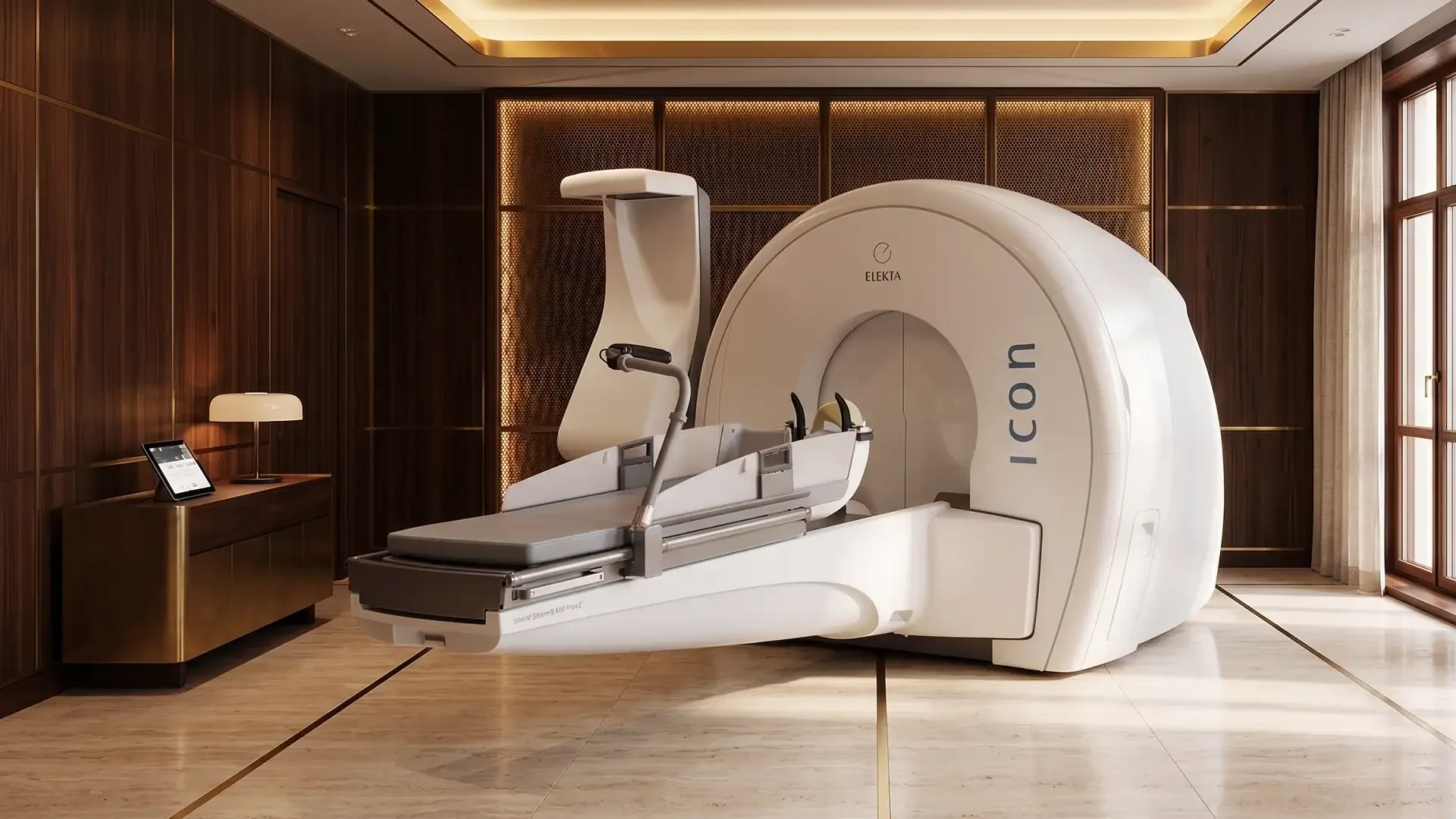
For patients with medication-refractory trigeminal neuralgia or those unable to tolerate carbamazepine or oxcarbazepine side effects, Gamma Knife Radiosurgery in Turkey is a highly effective, non-invasive treatment. A single, precisely focused radiation dose is delivered to the trigeminal nerve root entry zone. Pain relief occurs over days to weeks in 90 per cent of patients, with 70 per cent maintaining pain relief at three years without medication. The procedure is outpatient, requires no incision, and carries minimal risk of facial sensory disturbance compared to surgical alternatives.
To discuss your trigeminal neuralgia diagnosis with Prof. Dr. Türker Kılıç, view his profile or contact Vellum Select to arrange a consultation.
Related Articles

Is Gamma Knife Suitable for Urgent Cases? An Honest Clinical Review
Gamma Knife radiosurgery is not designed for hyper-acute neurosurgical emergencies that require immediate physical decompression. Because focused radiation halts cellular division and shrinks lesions over several months, true emergencies with brainstem compression demand open surgery, whereas subacute, time-sensitive cases benefit immensely from thorough neurosurgical evaluation.
Gamma Knife vs. Open Brain Surgery: A Clinical Comparison
Yes, Gamma Knife radiosurgery is a highly effective, non-invasive alternative to open brain surgery for specific deep-seated brain tumors, AVMs, and neuralgias. While open surgery is required for large tumors causing immediate intracranial pressure, Gamma Knife offers sub-millimeter precision without incisions, general anesthesia, or prolonged ICU stays.

The Real Cost of Medical Treatment in Turkey: A Price Comparison Guide (2026)
How much does medical treatment in Turkey actually cost? This comprehensive price guide compares dental veneers, implants, rhinoplasty, and neurosurgery costs in Turkey vs. the UK and Europe, explaining the structural reasons behind the savings.

Is Turkey Safe for Medical Tourism? An Honest Guide for European Patients
European patients consistently ask the same question before booking: is Turkey actually safe? This guide answers directly, with facts about medical accreditation, city safety, patient rights, and how to identify a clinic you can trust.