Pituitary Adenoma
Pituitary adenomas are benign neoplasms arising from the hormone-secreting cells of the anterior pituitary gland. They are classified by size (microadenoma under 1 cm, macroadenoma 1 cm or larger) and by hormonal activity (functional vs non-functional), with prolactinomas being the most common subtype.
Understanding Pituitary Adenomas
Pituitary adenomas account for 10–15 per cent of all intracranial neoplasms. The pituitary gland sits within the sella turcica at the base of the skull, surrounded by critical structures: the optic chiasm superiorly, the cavernous sinuses laterally (containing the internal carotid arteries and cranial nerves III, IV, V, and VI), and the sphenoid sinus inferiorly. As a pituitary adenoma enlarges, it may compress the optic chiasm, producing visual field deficits, or invade the cavernous sinus, limiting surgical resectability. Hormonally active adenomas cause distinct clinical syndromes depending on the hormone secreted: prolactin, growth hormone (acromegaly), ACTH (Cushing's disease), TSH, or gonadotropins.
Transsphenoidal surgery is the first-line treatment for most pituitary adenomas except prolactinomas, which are primarily managed medically. Istanbul provides access to elite pituitary surgeons who perform high-volume transsphenoidal resections with outcomes comparable to leading international centres.

Treatment Options for Pituitary Adenoma
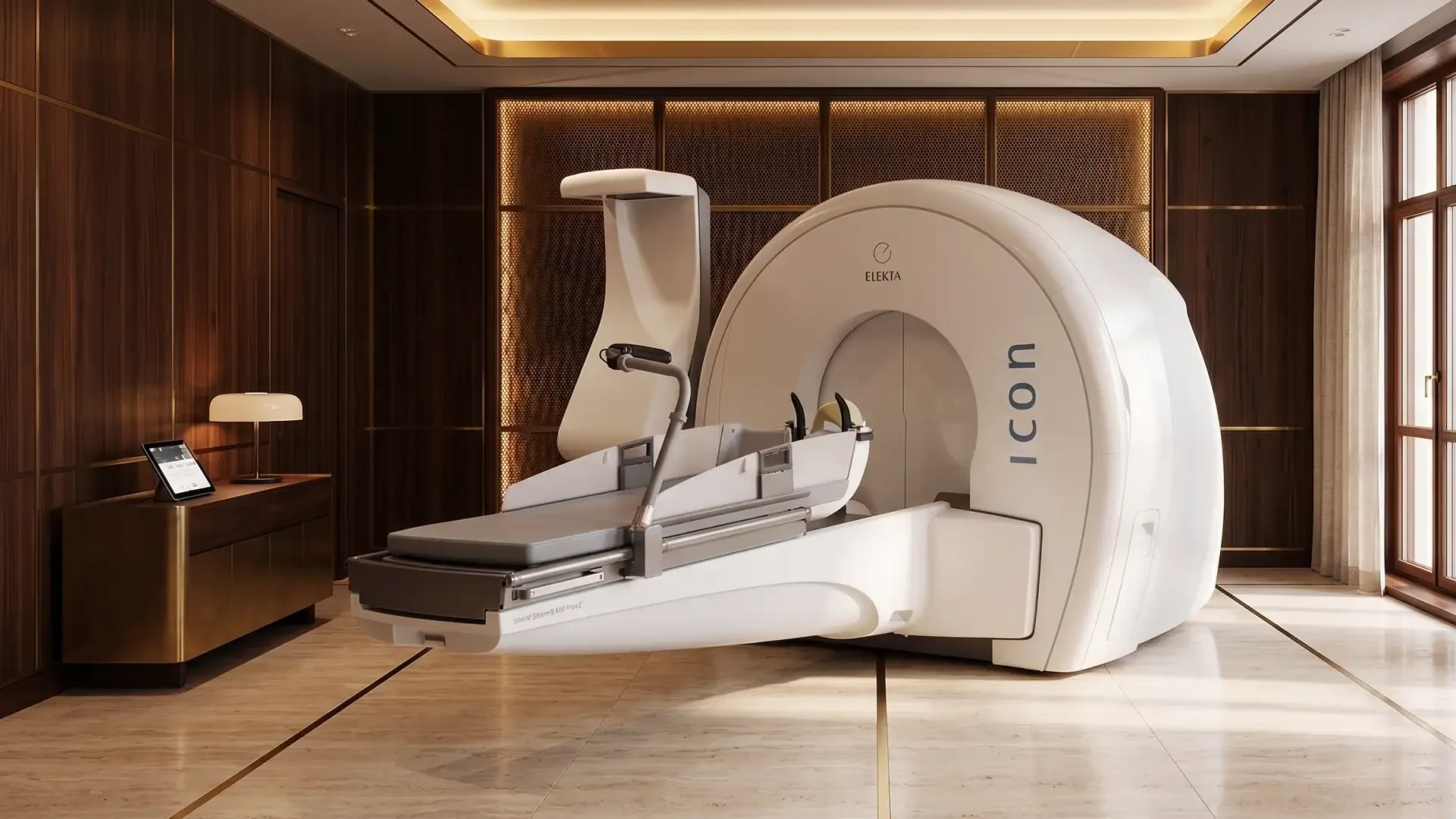
View All ProceduresGamma Knife Radiosurgery in Turkey
Gamma Knife is a radiosurgery which is a painless and incisionless alternative to brain microsurgery. It uses intersecting radiation beams to destroy tumors without the need for cuts, incisions, or general anesthesia.
arrow_forwardPituitary Tumour Treatment in Turkey
The pituitary gland (a pea-sized organ at the base of the brain) is the body's master hormonal regulator, controlling thyroid function, growth, cortisol production, reproductive hormones, and more. Pituitary tumours (adenomas) are almost always benign, but they can cause significant problems through two mechanisms: hormonal overproduction (secreting excess growth hormone, cortisol, or prolactin) and mass effect (compressing the optic nerves, causing visual field loss, or pressing on the brain).
arrow_forwardSymptoms of Pituitary Adenoma
Clinical presentation follows three patterns: mass effect, hormonal excess, and hormonal deficiency. Mass effect symptoms include headache, visual field deficits (classically bitemporal superior quadrantanopia progressing to bitemporal hemianopia from chiasmal compression), and hypopituitarism from compression of normal pituitary tissue. Pituitary apoplexy — haemorrhage or infarction of the adenoma — presents with sudden severe headache, visual loss, ophthalmoplegia, and haemodynamic collapse requiring emergency surgical decompression. Hormonal excess syndromes include hyperprolactinaemia (galactorrhoea, amenorrhoea, infertility), acromegaly, and Cushing's disease.
Diagnostic Pathways
Pituitary MRI with thin-section gadolinium-enhanced sequences is the essential imaging study, defining the adenoma's size, signal characteristics, cavernous sinus invasion (Knosp grade), and relationship to the optic chiasm. Formal visual field testing (Humphrey perimetry) documents any chiasmal or optic nerve compression. Hormonal evaluation includes prolactin, IGF-1, ACTH, cortisol, TSH, free T4, FSH, LH, and in males, testosterone. Transsphenoidal biopsy may be needed for non-functioning adenomas where tissue diagnosis is required to guide management.
Advanced Treatment Options at Vellum Select
Transsphenoidal Adenomectomy
Pituitary Tumour Treatment in Turkey via transsphenoidal approach is the first-line treatment for most non-prolactinoma pituitary adenomas. Prof. Dr. Türker Kılıç performs both microscopic and fully endoscopic transsphenoidal resection using intraoperative image guidance to maximise resection while preserving normal pituitary function. Remission rates for functional microadenomas exceed 85 per cent. Hospital stay is typically 24–48 hours with no external incision.
Craniotomy
For large adenomas with significant suprasellar extension not amenable to transsphenoidal surgery, Craniotomy (Brain Surgery) in Turkey may be necessary.
Gamma Knife Radiosurgery
For residual or recurrent adenomas not amenable to surgical re-resection, Gamma Knife Radiosurgery in Turkey offers effective tumour control and can normalise hormone hypersecretion in functioning adenomas.
To discuss your pituitary adenoma diagnosis with Prof. Dr. Türker Kılıç, view his profile or contact Vellum Select to arrange a consultation.
Related Articles

Is Gamma Knife Suitable for Urgent Cases? An Honest Clinical Review
Gamma Knife radiosurgery is not designed for hyper-acute neurosurgical emergencies that require immediate physical decompression. Because focused radiation halts cellular division and shrinks lesions over several months, true emergencies with brainstem compression demand open surgery, whereas subacute, time-sensitive cases benefit immensely from thorough neurosurgical evaluation.
Gamma Knife vs. Open Brain Surgery: A Clinical Comparison
Yes, Gamma Knife radiosurgery is a highly effective, non-invasive alternative to open brain surgery for specific deep-seated brain tumors, AVMs, and neuralgias. While open surgery is required for large tumors causing immediate intracranial pressure, Gamma Knife offers sub-millimeter precision without incisions, general anesthesia, or prolonged ICU stays.

The Real Cost of Medical Treatment in Turkey: A Price Comparison Guide (2026)
How much does medical treatment in Turkey actually cost? This comprehensive price guide compares dental veneers, implants, rhinoplasty, and neurosurgery costs in Turkey vs. the UK and Europe, explaining the structural reasons behind the savings.

Is Turkey Safe for Medical Tourism? An Honest Guide for European Patients
European patients consistently ask the same question before booking: is Turkey actually safe? This guide answers directly, with facts about medical accreditation, city safety, patient rights, and how to identify a clinic you can trust.