Hemifacial Spasm
Hemifacial spasm (HFS) is a chronic condition characterised by unilateral, involuntary, intermittent contractions of the muscles supplied by the facial nerve (cranial nerve VII). The most common cause is vascular compression of the facial nerve at its root entry zone by a tortuous or ectatic artery — typically the anterior inferior cerebellar artery or posterior inferior cerebellar artery.
Understanding Hemifacial Spasm
Hemifacial spasm typically begins insidiously with intermittent twitching of the orbicularis oculi muscle around one eye — a symptom many patients initially dismiss as a nervous tic or stress. Over months to years, the spasms spread to involve the other muscles of facial expression on the same side — the cheek, the corner of the mouth, and the platysma in the neck. The contractions are involuntary and cannot be suppressed by conscious effort. In advanced cases, the spasms can become sustained (tonic), producing functional closure of the eye and distortion of the face that interferes with vision, speech, and social interaction.
Microvascular decompression (MVD) of the facial nerve offers the best chance of permanent cure, with 90 per cent of patients experiencing complete or near-complete resolution of spasms. Istanbul provides access to expert neurovascular decompression surgery with outcomes comparable to the world's leading centres.
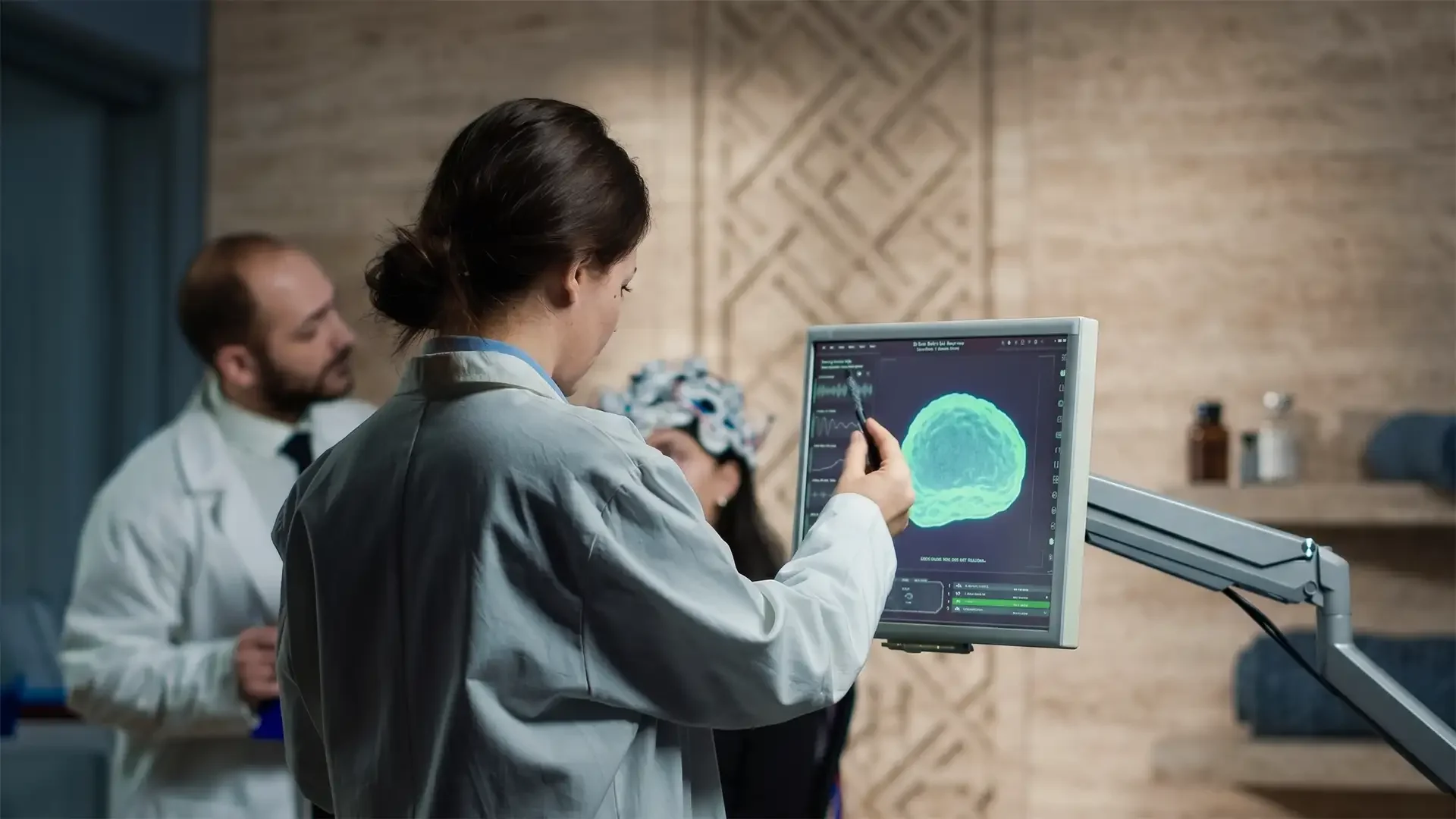
Treatment Options for Hemifacial Spasm
View All ProceduresSymptoms of Hemifacial Spasm
The hallmark of hemifacial spasm is the unilateral, synchronous contraction of facial muscles innervated by the facial nerve. The spasms begin around the eye (orbicularis oculi) and spread downward over months to years to involve the lower face. The contractions are brief, repetitive, and unpredictable — often triggered by voluntary facial movements such as smiling, blinking, or speaking. Unlike blepharospasm (which is typically bilateral), hemifacial spasm is strictly unilateral. Patients may describe a "drawing" or "pulling" sensation preceding the visible contraction. In long-standing cases, mild facial weakness may develop, and the involved side of the face may appear slightly smaller due to continuous muscle contraction.
Diagnostic Pathways
Clinical diagnosis is based on the characteristic history and pattern of muscle involvement. High-resolution MRI with CISS (Constructive Interference in Steady State) or FIESTA sequences is the imaging modality of choice to identify the compressing vessel at the facial nerve root entry zone. MR angiography differentiates the compressing artery from a vein. Electromyography (EMG) shows the characteristic pattern of high-frequency, synchronous motor unit discharges with synkinetic responses — abnormal spread of excitation between facial nerve branches. EMG also helps differentiate HFS from other facial movement disorders such as blepharospasm or facial myokymia.
Advanced Treatment Options at Vellum Select
Microvascular Decompression (MVD)
MVD is the definitive surgical treatment. A small retrosigmoid craniotomy is performed, the compressing artery is identified and mobilised, and a small Teflon felt pad is placed between the vessel and the facial nerve to permanently relieve the compression. Complete spasm resolution occurs immediately in most patients.
Gamma Knife Radiosurgery
For patients who are not candidates for MVD due to age or medical comorbidities, Gamma Knife Radiosurgery in Turkey offers a non-invasive alternative. Radiosurgery to the facial nerve root entry zone achieves spasm improvement in 60–70 per cent of patients, though the response is delayed by weeks to months.
To discuss your hemifacial spasm diagnosis with Prof. Dr. Türker Kılıç, view his profile or contact Vellum Select to arrange a consultation.
Related Articles

Is Gamma Knife Suitable for Urgent Cases? An Honest Clinical Review
Gamma Knife radiosurgery is not designed for hyper-acute neurosurgical emergencies that require immediate physical decompression. Because focused radiation halts cellular division and shrinks lesions over several months, true emergencies with brainstem compression demand open surgery, whereas subacute, time-sensitive cases benefit immensely from thorough neurosurgical evaluation.
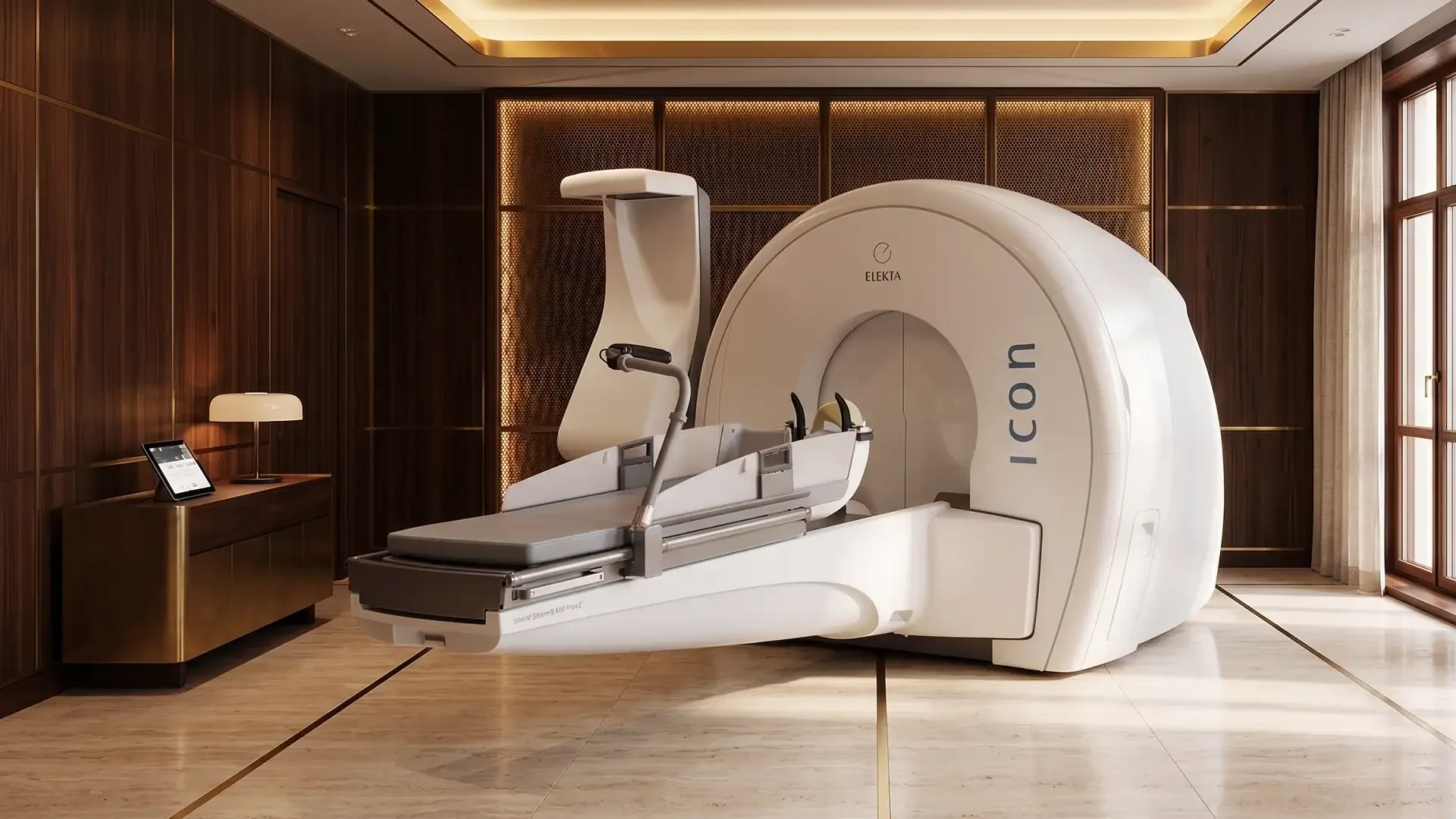
Gamma Knife vs. Open Brain Surgery: A Clinical Comparison
Yes, Gamma Knife radiosurgery is a highly effective, non-invasive alternative to open brain surgery for specific deep-seated brain tumors, AVMs, and neuralgias. While open surgery is required for large tumors causing immediate intracranial pressure, Gamma Knife offers sub-millimeter precision without incisions, general anesthesia, or prolonged ICU stays.

The Real Cost of Medical Treatment in Turkey: A Price Comparison Guide (2026)
How much does medical treatment in Turkey actually cost? This comprehensive price guide compares dental veneers, implants, rhinoplasty, and neurosurgery costs in Turkey vs. the UK and Europe, explaining the structural reasons behind the savings.

Is Turkey Safe for Medical Tourism? An Honest Guide for European Patients
European patients consistently ask the same question before booking: is Turkey actually safe? This guide answers directly, with facts about medical accreditation, city safety, patient rights, and how to identify a clinic you can trust.