Brain Metastases
Brain metastases are intracranial tumours that arise from haematogenous spread of a primary malignancy elsewhere in the body — most commonly lung cancer, breast cancer, melanoma, renal cell carcinoma, and colorectal cancer. They are the most common intracranial tumours in adults, outnumbering primary brain tumours by ten to one.
Understanding Brain Metastases
The development of brain metastases represents a critical turning point in cancer management, with significant implications for both neurological function and overall survival. Tumour cells from the primary site enter the systemic circulation, traverse the blood-brain barrier, and establish secondary deposits within the brain parenchyma. The most common locations are at the grey-white matter junction, where the vascular architecture favours embolic seeding. Metastases are frequently multiple — 50 per cent of patients present with more than one lesion — and their growth compresses surrounding brain tissue, producing oedema, mass effect, and progressive neurological deficits.
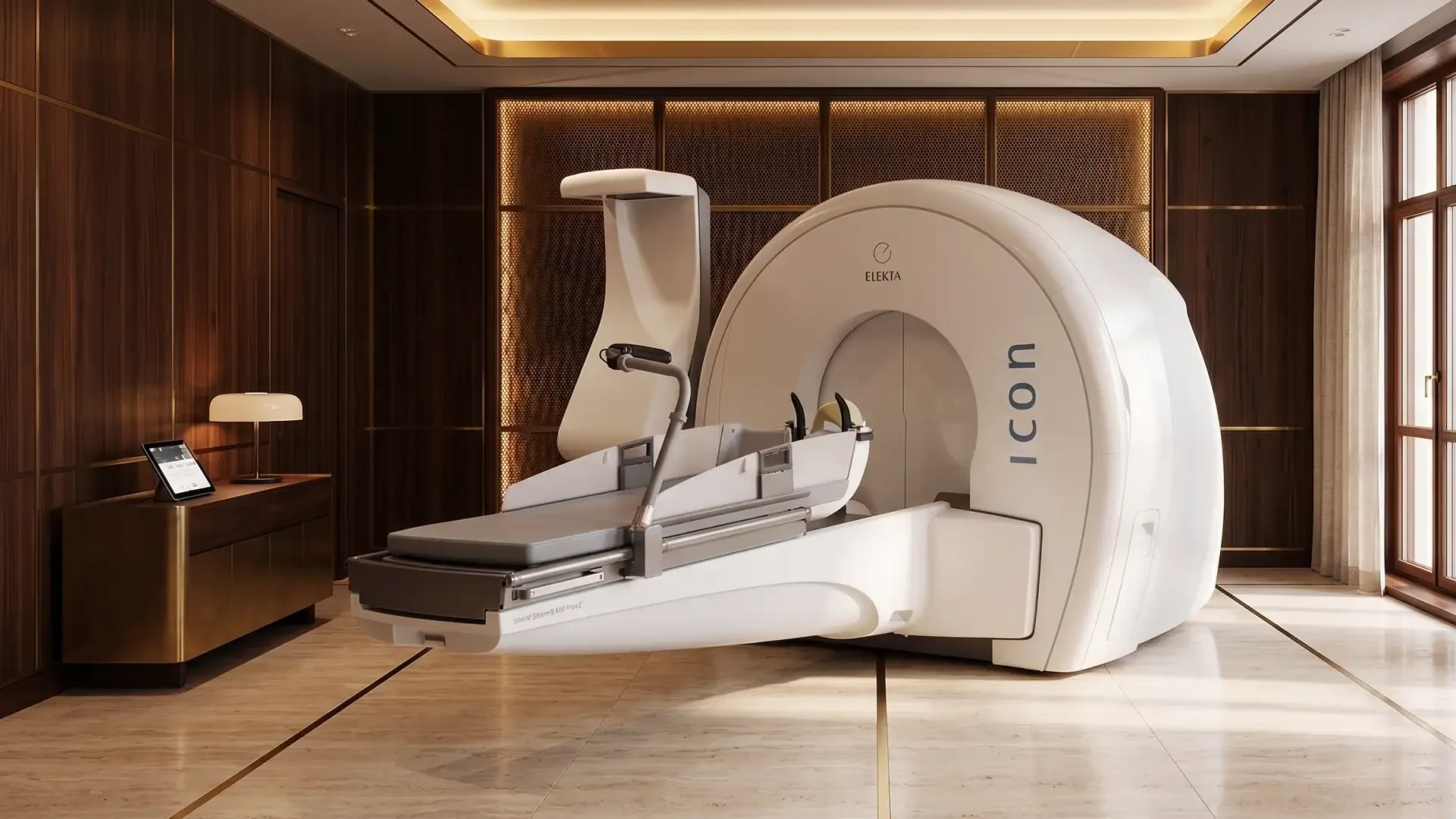
Advances in stereotactic radiosurgery have transformed the prognosis for patients with brain metastases. Gamma Knife treatment achieves local control rates exceeding 90 per cent with minimal cognitive impact, compared to whole-brain radiotherapy which carries significant neurocognitive side effects. For international patients, Istanbul provides rapid access to Gamma Knife treatment, enabling cancer patients to begin their intracranial treatment without delay.

Treatment Options for Brain Metastases
View All ProceduresSymptoms of Brain Metastases
The presentation of brain metastases depends on the number, size, and location of the lesions. Headache is the most common presenting symptom, occurring in 50 per cent of patients, and is often worse in the morning or exacerbated by coughing and straining. Seizures occur in 20–30 per cent of patients, particularly with supratentorial cortical metastases. Focal neurological deficits — hemiparesis, aphasia, visual field cuts, sensory loss — correspond to the affected brain region. Cognitive changes, personality changes, and gait disturbance are common in patients with multiple or large metastases. Nausea and vomiting may indicate raised intracranial pressure.
Diagnostic Pathways
MRI with gadolinium contrast is the imaging modality of choice. Brain metastases typically appear as well-circumscribed, ring-enhancing lesions at the grey-white matter junction with surrounding vasogenic oedema. T2-weighted and FLAIR sequences best demonstrate the extent of peritumoural oedema. CT with contrast is a reasonable alternative but has lower sensitivity for small metastases and posterior fossa lesions. Whole-body PET-CT and CT chest/abdomen/pelvis are performed to identify the primary tumour and assess the overall disease burden. Lumbar puncture for CSF cytology is reserved for suspected leptomeningeal disease.
Advanced Treatment Options at Vellum Select
Vellum Select provides comprehensive brain metastasis management through Prof. Dr. Türker Kılıç, integrating Gamma Knife radiosurgery with modern oncological protocols.
Gamma Knife Radiosurgery
For patients with a limited number of brain metastases (typically 1–10 lesions), Gamma Knife Radiosurgery in Turkey is the standard of care. Gamma Knife delivers high-dose radiation to each metastasis in a single outpatient session, sparing the surrounding normal brain tissue. Local control rates at one year exceed 90 per cent, and treatment can be repeated for new lesions. Unlike whole-brain radiotherapy, Gamma Knife preserves cognitive function and quality of life. The procedure is non-invasive, requires no incision, and patients return home the same day.
Surgical Resection
For large metastases (over 3 cm) causing significant mass effect, or when histological diagnosis is required, Craniotomy (Brain Surgery) in Turkey with microsurgical resection is performed. Post-operative Gamma Knife to the resection cavity reduces the risk of local recurrence to under 10 per cent.
To discuss your brain metastasis diagnosis with Prof. Dr. Türker Kılıç, view his profile or contact Vellum Select to arrange a consultation.
Related Articles
Gamma Knife vs. Open Brain Surgery: A Clinical Comparison
Yes, Gamma Knife radiosurgery is a highly effective, non-invasive alternative to open brain surgery for specific deep-seated brain tumors, AVMs, and neuralgias. While open surgery is required for large tumors causing immediate intracranial pressure, Gamma Knife offers sub-millimeter precision without incisions, general anesthesia, or prolonged ICU stays.

The Real Cost of Medical Treatment in Turkey: A Price Comparison Guide (2026)
How much does medical treatment in Turkey actually cost? This comprehensive price guide compares dental veneers, implants, rhinoplasty, and neurosurgery costs in Turkey vs. the UK and Europe, explaining the structural reasons behind the savings.

Is Turkey Safe for Medical Tourism? An Honest Guide for European Patients
European patients consistently ask the same question before booking: is Turkey actually safe? This guide answers directly, with facts about medical accreditation, city safety, patient rights, and how to identify a clinic you can trust.