Zirconium Crowns in Turkey
FREE PRE-EVALUATION
Upload your Photos, X-Rays or MRI Reports to request analysis from a specialist.
Consultant Status: Online
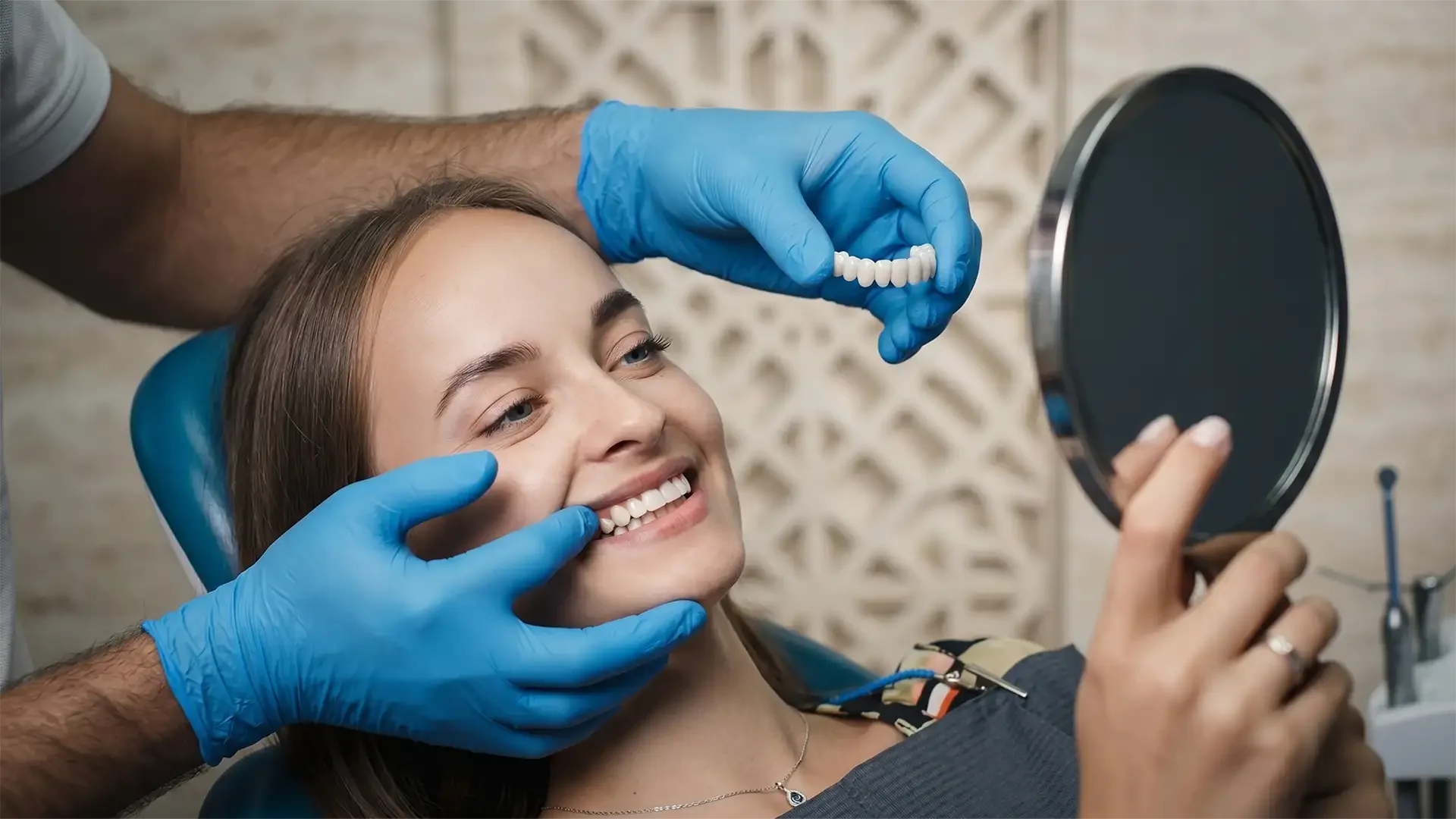
Zirconium (zirconia) crowns have become the preferred material for dental restorations worldwide, replacing older porcelain-fused-to-metal (PFM) crowns that can develop dark lines at the gum margin and contain metal substructures. Zirconia offers the strength of metal with the aesthetics of ceramic, all without any metal component.
Turkey has become the world's leading destination for zirconium crown treatment, driven by high-quality dental laboratories, experienced prosthodontists, and pricing that is 60–70% lower than Western Europe.
Conditions This Treatment Addresses
Frequently Asked Questions
About Zirconium Crowns in Turkey
How long do zirconium crowns last?
With proper oral hygiene, zirconium crowns last 15–25+ years. They are highly resistant to chipping, staining, and wear. The most common reason for replacement after many years is gum recession exposing the crown margin — not material failure.
Are zirconium crowns better than porcelain-fused-to-metal?
In most cases, yes. Zirconium crowns are stronger, more aesthetic (no dark metal line at the gum), biocompatible (no metal allergies), and more durable. PFM crowns are now largely considered an older technology superseded by all-ceramic options.
Do zirconium crowns look natural?
Modern zirconia, especially multi-layered and ultra-translucent formulations, achieves excellent aesthetics that closely resemble natural teeth. For maximum aesthetics on front teeth, hand-layered zirconia with porcelain overlay provides the most lifelike result.
How much tooth is removed for a crown?
Approximately 1–1.5mm is removed circumferentially from the tooth surface. This is more than a veneer (0.3–0.7mm) but preserves the tooth root and core structure. The prepared tooth is always protected with a temporary crown during fabrication.
Can I get zirconium crowns on implants?
Yes. Zirconia is an ideal material for implant-supported crowns and bridges, offering strength and biocompatibility. Custom zirconia abutments (the connector between implant and crown) are also available for the most aesthetic implant restorations.
Why Zirconium?
Strength. Zirconia has a flexural strength of 900–1,200 MPa, significantly stronger than e.max (400 MPa) and feldspathic porcelain (100–150 MPa). It can withstand the heavy bite forces of posterior (back) teeth without fracturing.
Aesthetics. Modern translucent and multi-layered zirconia closely mimics the colour gradation and light transmission of natural teeth. Anterior (front) crowns can be further enhanced with hand-layered porcelain for maximum lifelike appearance.
Biocompatibility. Zirconia is completely metal-free, hypoallergenic, and biologically inert. It does not cause gum inflammation, allergic reactions, or the grey discolouration at the gum line associated with metal-based restorations.
Durability. Zirconia is highly resistant to chipping, staining, and wear. It does not corrode or degrade in the oral environment and maintains its appearance over decades.
Types of Zirconia Crowns
Monolithic zirconia, milled from a single block of zirconia with no porcelain overlay. Maximum strength, ideal for posterior teeth and bruxism patients. Modern monolithic zirconia achieves good aesthetics through multi-layered translucency gradients.
Layered zirconia, a zirconia core with hand-applied porcelain layering for natural translucency and colour depth. Best aesthetics, ideal for anterior (visible) teeth. Slightly less fracture-resistant than monolithic due to the porcelain layer.
Ultra-translucent zirconia, a newer generation of monolithic zirconia engineered for higher translucency, bridging the gap between the strength of monolithic and the aesthetics of layered. Increasingly used for anterior and premolar teeth.
Zirconium Crowns Cost in Turkey
| Treatment | UK Cost (per crown) | Turkey Cost (per crown) |
|---|---|---|
| Zirconium crown (monolithic) | £500–£800 | £150–£280 |
| Zirconium crown (layered) | £600–£900 | £180–£320 |
| Zirconium bridge (per unit) | £500–£800 | £150–£300 |
For patients needing multiple crowns (8, 12, 16, or full-arch cases), the cumulative savings are substantial, often exceeding £5,000–£10,000 compared to UK pricing.
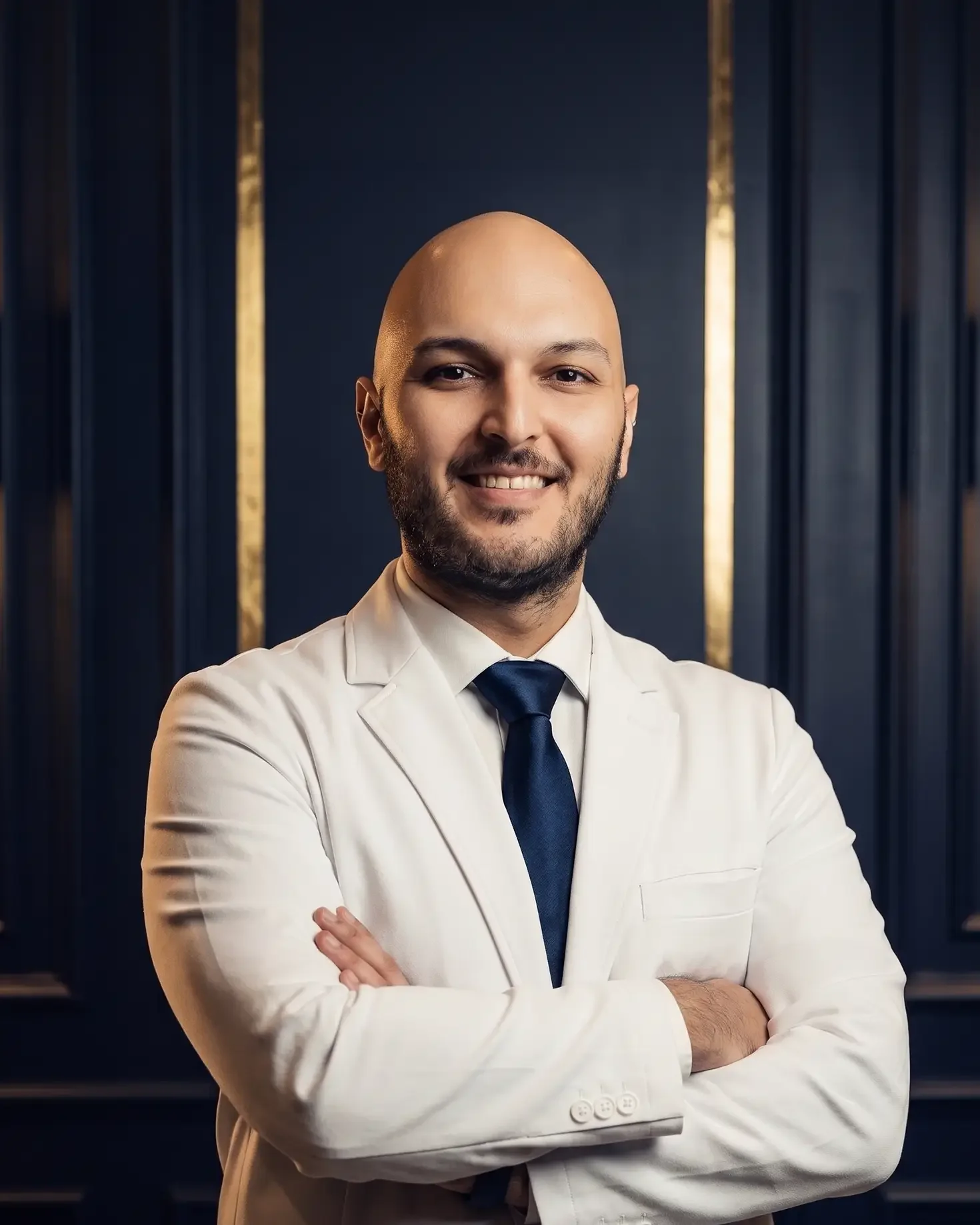
Your Dentist: Dr. Ersin Arıcan
Dr. Ersin Arıcan at Clinic Prime Istanbul specialises in zirconia restorations. His PhD research at Istanbul University focused on prosthetic materials and CAD/CAM systems, giving him evidence-based expertise in material selection that goes beyond manufacturer recommendations.
Journey to Recovery
Visit 1: Preparation (Days 1–3)
Examination, digital impressions, shade matching, and tooth preparation. Teeth are reduced by approximately 1–1.5mm circumferentially to create space for the crown. Temporary crowns are placed immediately.
Visit 1: Preparation (Days 1–3)
Examination, digital impressions, shade matching, and tooth preparation. Teeth are reduced by approximately 1–1.5mm circumferentially to create space for the crown. Temporary crowns are placed immediately.
Laboratory Fabrication (5–7 days)
Crowns are designed digitally (CAD) and milled from zirconia blocks (CAM), then finished by hand with staining, glazing, and characterisation to match natural teeth.
Laboratory Fabrication (5–7 days)
Crowns are designed digitally (CAD) and milled from zirconia blocks (CAM), then finished by hand with staining, glazing, and characterisation to match natural teeth.
Visit 2: Fitting and Cementation (Days 7–10)
Permanent crowns are tried in, assessed for fit, colour, and bite, then cemented. Final polishing and occlusal adjustment. Most patients complete treatment in a single trip of 7–10 days.
Visit 2: Fitting and Cementation (Days 7–10)
Permanent crowns are tried in, assessed for fit, colour, and bite, then cemented. Final polishing and occlusal adjustment. Most patients complete treatment in a single trip of 7–10 days.