TMJ Treatment in Turkey
FREE PRE-EVALUATION
Upload your Photos, X-Rays or MRI Reports to request analysis from a specialist.
Consultant Status: Online
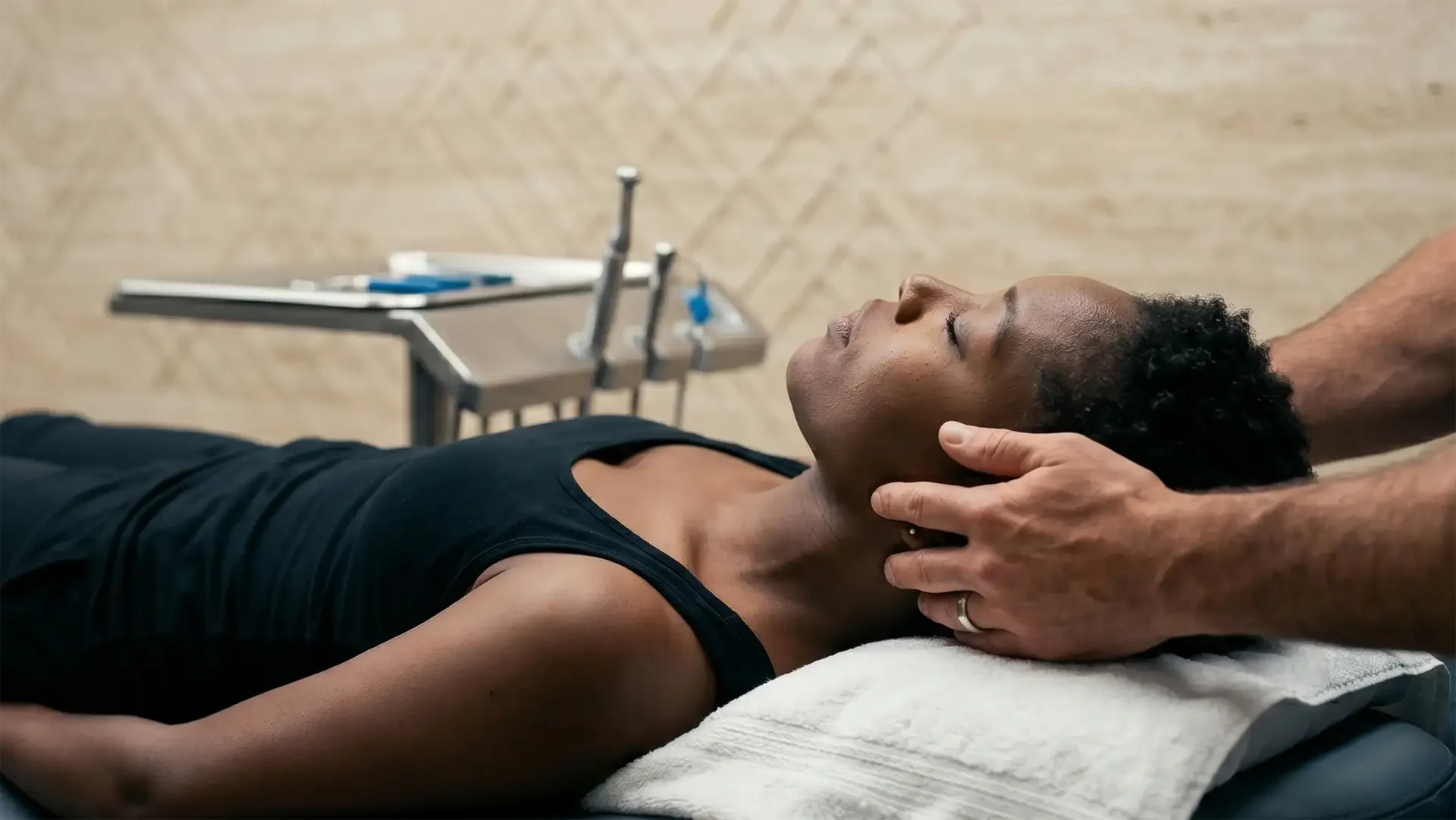
The temporomandibular joint (TMJ) connects the jawbone to the skull on each side of the face. When this joint or the muscles that control it malfunction, the result is a group of conditions collectively called temporomandibular disorders (TMD), commonly referred to simply as "TMJ."
Symptoms include jaw pain or tenderness, clicking, popping, or grinding sounds when opening or closing the mouth, limited mouth opening or jaw locking, headaches (often misdiagnosed as tension headaches or migraines), ear pain or fullness without ear infection, facial pain radiating to the temples or neck, and difficulty or discomfort when chewing.
TMD affects an estimated 5–12% of the population, with women twice as likely to be affected as men. Despite its prevalence, TMJ disorders are frequently underdiagnosed or mismanaged because they sit at the intersection of dentistry, orthopaedics, and neurology.
Conditions This Treatment Addresses
Frequently Asked Questions
About TMJ Treatment in Turkey
What causes TMJ pain?
TMJ pain is usually caused by a combination of factors: teeth grinding (bruxism), bite misalignment, stress-related muscle tension, joint disc displacement, or arthritis. Poor dental restorations that alter the bite can also trigger or worsen TMJ symptoms.
How is TMJ diagnosed?
Through clinical examination of jaw movement, muscle palpation, bite analysis, and imaging (X-ray, panoramic, or MRI of the joint). A thorough diagnosis identifies the specific type of TMD and guides the appropriate treatment approach.
Can TMJ be cured?
Many TMD cases resolve completely with appropriate treatment — splint therapy, occlusal adjustment, and stress management. Cases involving structural joint damage (arthritis, disc degeneration) may require ongoing management rather than outright cure. Early treatment improves outcomes significantly.
Is TMJ treatment painful?
Treatment is generally non-invasive and comfortable. Splint therapy involves wearing a custom-made dental device. Occlusal adjustment involves minor reshaping of tooth surfaces. Even Botox injection for muscle relief involves only brief, mild discomfort.
How long does TMJ treatment take?
Conservative treatment (splint therapy, occlusal adjustment) typically shows improvement within 4–8 weeks. Complex cases requiring rehabilitative prosthodontics may take several months. International patients can begin with a diagnostic visit and splint fabrication, then return for further treatment as needed.
Causes of TMJ Disorders
TMD rarely has a single cause. Common contributing factors include bruxism (teeth grinding or clenching, often during sleep), malocclusion (misaligned bite that distributes forces unevenly across the jaw), stress and muscle tension, disc displacement within the joint, arthritis or degenerative joint disease, trauma to the jaw or face, and poor dental restorations that alter the bite relationship.
Treatment Approaches
Occlusal analysis. Comprehensive evaluation of how the upper and lower teeth meet, identifying premature contacts, interferences, and asymmetries that place uneven stress on the TMJ. This analysis is the diagnostic foundation for all subsequent treatment.
Splint therapy (occlusal splints / night guards). Custom-fabricated dental splints worn during sleep (and sometimes during the day) that reposition the jaw, reduce muscle tension, and protect teeth from bruxism-related wear. Splint design is tailored to the specific TMD diagnosis, stabilisation splints, anterior repositioning splints, or NTI devices serve different therapeutic purposes.
Occlusal adjustment. Selective reshaping of tooth surfaces to eliminate bite interferences that contribute to TMJ overload. This is a conservative, targeted intervention, not a wholesale alteration of the bite.
Rehabilitative prosthodontics. When TMD is caused or exacerbated by missing teeth, worn dentition, or collapsed bite height, restoring proper dental anatomy (with crowns, bridges, or implants) can resolve the underlying mechanical cause. This is where a prosthodontist's expertise is essential, managing the bite relationship across the full arch.
Botox for TMJ. Botulinum toxin injected into the masseter and/or temporalis muscles can relieve muscle-driven TMJ pain by reducing clenching force. This provides symptomatic relief while other treatments address the underlying cause.
Why a Prosthodontist for TMJ?
TMJ disorders are fundamentally a problem of how teeth, muscles, and joints interact. A prosthodontist is trained to manage occlusal (bite) relationships as their core speciality, making them the most appropriate dental specialist for TMD diagnosis and treatment. Dr. Sönmez's prosthodontic training at Istanbul University included specific focus on TMJ disorders, and her PhD research on dental materials informs her splint and restoration material choices.
Your Dentist: Dr. Nesrin Sönmez
Dr. Nesrin Sönmez treats TMJ disorders as part of her prosthodontic practice at NS Clinic in Nişantaşı, Istanbul. Her clinical expertise covers the full range of TMD management, from conservative splint therapy to full rehabilitative prosthodontics for bite reconstruction.