Periodontal Surgery in Turkey
FREE PRE-EVALUATION
Upload your Photos, X-Rays or MRI Reports to request analysis from a specialist.
Consultant Status: Online
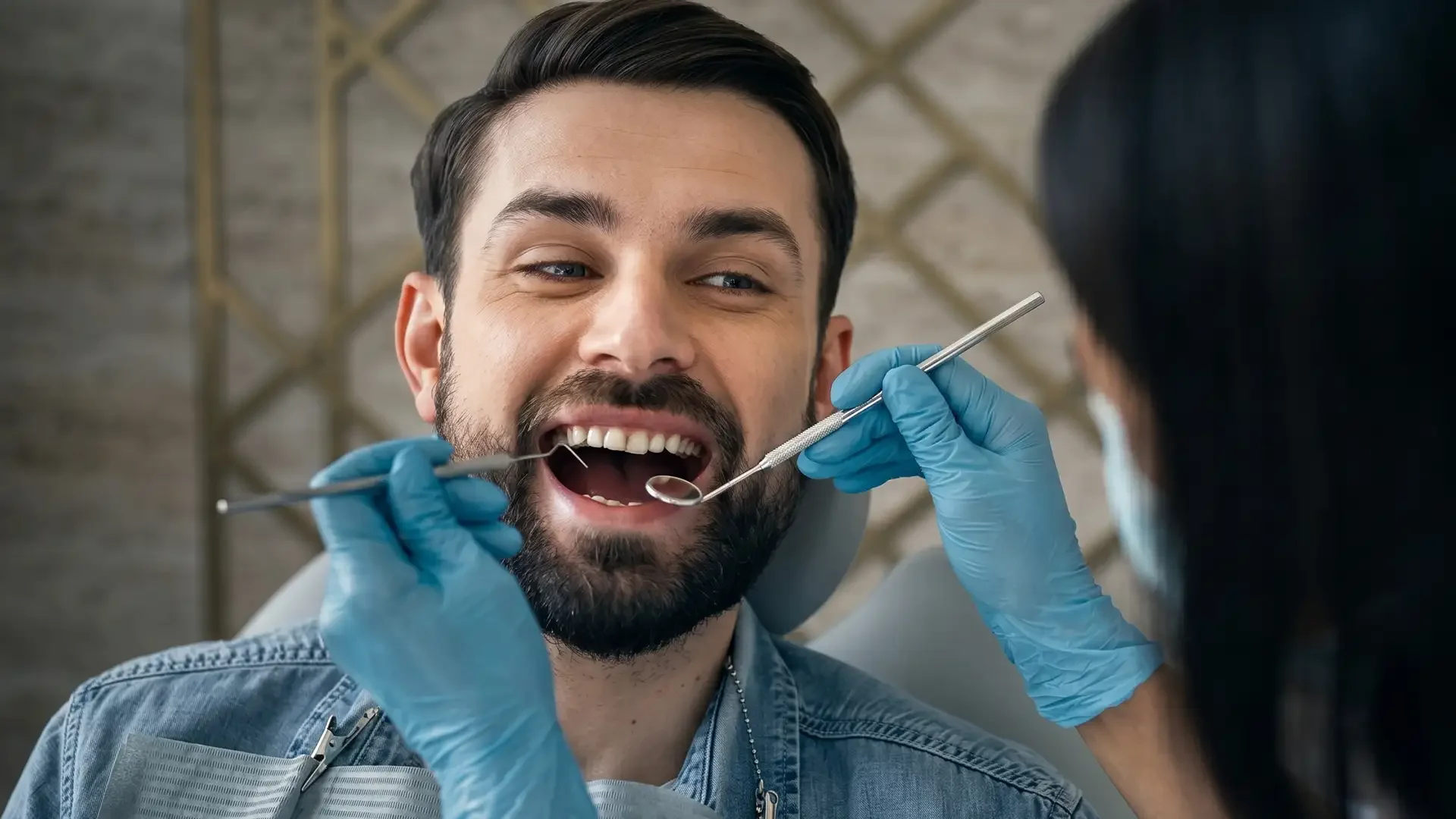
Salvaging Smiles: Advanced Periodontal Surgery in Istanbul
Periodontitis is a silent, painless disease that destroys the bone anchoring your teeth. By the time a patient notices mobility, bleeding, or recession, significant attachment loss has already occurred. Periodontal surgery does what non-surgical cleaning cannot: it opens the gum to directly visualise and clean root surfaces, recontours destroyed bone, and grafts tissue where recession has exposed sensitive root surfaces.
Istanbul's periodontists combine the full surgical armamentarium—flap surgery, osseous resection, guided tissue regeneration, and soft-tissue grafting—to arrest disease progression and restore functional and aesthetic gingival architecture. The cost of saving a natural dentition through periodontal surgery in Istanbul is 60 to 70 per cent below UK and European private specialist fees.
Conditions This Treatment Addresses
Frequently Asked Questions
About Periodontal Surgery in Turkey
What is periodontal surgery and when is it needed?
Periodontal surgery is a surgical procedure that treats advanced gum disease by directly accessing and cleaning the root surfaces below the gumline. It is needed when non-surgical deep cleaning (scaling and root planing) has failed to arrest periodontitis, typically when probing pocket depths remain at 5 mm or greater with bleeding. The surgery eliminates the deep pockets where bacteria thrive and stops the progressive bone loss that would otherwise lead to tooth loss.
How painful is periodontal surgery?
The procedure is performed under local anaesthesia and is pain-free during surgery. Post-operative discomfort is mild to moderate, comparable to a tooth extraction, and peaks at 24 to 48 hours. It is well-managed with prescribed oral analgesics. Most patients return to normal activities within 2 to 3 days.
How much does periodontal surgery cost in Turkey?
Periodontal surgery in Istanbul costs approximately £150–£500 per quadrant depending on the procedure complexity, compared to £600–£1,500 in the UK. Full-mouth periodontal rehabilitation costs £1,200–£2,500. Prices include all post-operative follow-up.
Can periodontal disease be cured?
Periodontitis is a chronic disease that can be arrested and controlled but not cured in the sense of being permanently eradicated. Periodontal surgery eliminates the deep pockets and establishes a cleansable architecture, but long-term success depends on meticulous home care and regular professional maintenance (every 3–4 months). Without maintenance, disease recurrence is likely.
What is a gum graft?
A gum graft (soft-tissue graft) is a procedure that covers exposed tooth roots where the gum has receded. A small piece of tissue is harvested from the roof of the mouth and sutured over the recession defect. The graft covers the root, reduces sensitivity, thickens the gum to resist future recession, and improves aesthetics.
How long does it take for gums to heal after periodontal surgery?
Initial soft-tissue healing occurs within 2 to 3 weeks. Full maturation of the gum tissue takes 6 to 8 weeks. For guided tissue regeneration procedures, bone fill continues for 6 to 12 months and is monitored radiographically.
What Is Periodontal Surgery?
Periodontal surgery is a range of surgical procedures that treat the supporting structures of the teeth affected by periodontitis: the gingiva (gum), periodontal ligament, cementum, and alveolar bone. The surgery begins with a full-thickness flap reflection—the gum is gently separated from the underlying bone to expose the root surfaces and bony architecture. The surgeon then debrides the roots (removing calculus and bacterial biofilm), recontours diseased bone, and may apply regenerative materials (bone grafts, enamel matrix proteins, or membranes) to rebuild lost attachment.
Unlike non-surgical scaling, which relies on blind instrumentation below the gumline, surgical access allows the periodontist to see and clean every millimetre of root surface under magnification. This direct visualisation is the single most important factor in achieving long-term disease arrest.
Types of Periodontal Surgery
Open Flap Debridement
The foundational procedure for generalised moderate-to-severe periodontitis. The gum is reflected, root surfaces and bony defects are debrided under direct vision, and the flap is sutured back at its original level or slightly apically repositioned to reduce pocket depth. Healing reduces probing pocket depths from 6–10 mm to 2–4 mm, making home care effective again.
Osseous (Resective) Surgery
When periodontitis has created irregular bony defects, the surgeon recontours the bone to eliminate craters and ledges that trap bacteria. Combined with flap debridement, this creates a cleansable architecture that prevents disease recurrence.
Guided Tissue Regeneration (GTR)
For isolated intrabony defects (vertical bone loss around a single root), a barrier membrane is placed over the defect after debridement to exclude fast-growing gum cells while allowing slower-growing bone and ligament cells to repopulate the defect. GTR can regenerate 2 to 5 mm of lost attachment in appropriately selected defects.
Soft-Tissue Grafting (Gum Graft)
For gingival recession where the root is exposed and sensitive or aesthetically objectionable, a small piece of tissue is harvested from the palate and sutured over the recession defect. The graft covers the exposed root, thickens the biotype (making future recession less likely), and restores the natural gum contour.
Periodontal Surgery Cost in Turkey vs. the UK and Europe
| Procedure | UK Cost | Turkey (Istanbul) Cost |
|---|---|---|
| Open Flap Debridement (quadrant) | £600–£1,200 | £150–£350 |
| Guided Tissue Regeneration | £800–£1,500 | £250–£500 |
| Gum Graft (single tooth) | £600–£1,200 | £200–£400 |
| Full-Mouth Periodontal Rehabilitation | £4,000–£8,000 | £1,200–£2,500 |
Prices include preoperative assessment with full periodontal charting and radiographs, the surgical procedure, and all post-operative follow-up.
The Procedure: What to Expect
Step 1: Preoperative Assessment
Full periodontal charting records probing depths, recession, furcation involvement, and tooth mobility for every tooth. Periapical and bitewing radiographs visualise bone levels. The periodontist maps the exact surgical plan: which quadrants, which grafts, and which regenerative materials.
Step 2: Surgery
Under local anaesthesia, the gum is reflected and the surgical site is debrided under magnification. Bony recontouring, grafting, or membrane placement is performed as planned. The flap is sutured back with microsurgical sutures. A periodontal dressing (pack) may be placed to protect the site.
Step 3: Suture Removal and Maintenance
Sutures are removed at 7 to 10 days. A 3-month follow-up appointment with repeat charting confirms pocket depth reduction and attachment gain. Long-term maintenance (periodontal recall every 3 to 4 months) is essential to prevent recurrence.
Meet Your Istanbul Periodontists
Vellum Select's periodontists are surgical specialists who perform these procedures daily, not general dentists who occasionally operate. They use magnification (loupes or operating microscopes) for every procedure, microsurgical instrumentation, and the latest regenerative materials. Their periodontal recall programme ensures that the surgical investment is protected long-term.
Journey to Recovery
Day 1: Surgery and Initial Recovery
The procedure is performed under local anaesthesia and takes 60 to 90 minutes per quadrant. A periodontal dressing may cover the surgical site. Some bleeding and discomfort is normal and managed with prescribed analgesia and an antimicrobial mouth rinse (chlorhexidine). International patients return to their hotel the same day. Avoid brushing the surgical area and maintain a soft, cool diet.
Day 1: Surgery and Initial Recovery
The procedure is performed under local anaesthesia and takes 60 to 90 minutes per quadrant. A periodontal dressing may cover the surgical site. Some bleeding and discomfort is normal and managed with prescribed analgesia and an antimicrobial mouth rinse (chlorhexidine). International patients return to their hotel the same day. Avoid brushing the surgical area and maintain a soft, cool diet.
Days 2 to 3: Early Healing
Swelling and mild discomfort peak at 24 to 48 hours and then subside. Continue the antimicrobial mouth rinse twice daily. Do not brush the surgical site. A soft diet is essential: yoghurt, soup, mashed vegetables, smoothies (no straw). Avoid alcohol, smoking, and strenuous activity.
Days 2 to 3: Early Healing
Swelling and mild discomfort peak at 24 to 48 hours and then subside. Continue the antimicrobial mouth rinse twice daily. Do not brush the surgical site. A soft diet is essential: yoghurt, soup, mashed vegetables, smoothies (no straw). Avoid alcohol, smoking, and strenuous activity.
Days 7 to 10: Suture Removal and First Follow-Up
Return to the clinic for suture removal and a post-operative check. The periodontist verifies flap healing and graft take (if applicable). You may begin gentle brushing of the surgical area with a soft, post-surgical toothbrush. By this point, international patients are cleared to fly home.
Days 7 to 10: Suture Removal and First Follow-Up
Return to the clinic for suture removal and a post-operative check. The periodontist verifies flap healing and graft take (if applicable). You may begin gentle brushing of the surgical area with a soft, post-surgical toothbrush. By this point, international patients are cleared to fly home.
Weeks 2 to 4: Soft-Tissue Maturation
The gum tissue continues to heal and mature. You may gradually return to a normal diet but avoid hard, crunchy, or spicy foods on the surgical side. Resume normal brushing and flossing very gently around the surgical sites. Avoid dental cleanings of the surgical area for 4 weeks.
Weeks 2 to 4: Soft-Tissue Maturation
The gum tissue continues to heal and mature. You may gradually return to a normal diet but avoid hard, crunchy, or spicy foods on the surgical side. Resume normal brushing and flossing very gently around the surgical sites. Avoid dental cleanings of the surgical area for 4 weeks.
Month 3: Re-Evaluation
A comprehensive periodontal re-evaluation with full charting is performed. Probing depths are compared to pre-operative values. For most cases, pocket depth has reduced from 6–10 mm to 2–4 mm. The periodontist establishes a maintenance recall interval (typically every 3 to 4 months).
Month 3: Re-Evaluation
A comprehensive periodontal re-evaluation with full charting is performed. Probing depths are compared to pre-operative values. For most cases, pocket depth has reduced from 6–10 mm to 2–4 mm. The periodontist establishes a maintenance recall interval (typically every 3 to 4 months).
Months 6 to 12: Long-Term Maintenance
Regular periodontal maintenance visits prevent disease recurrence. The surgical result is stable and the natural dentition is preserved. Any planned implant or restorative work can proceed once the periodontium is confirmed healthy.
Months 6 to 12: Long-Term Maintenance
Regular periodontal maintenance visits prevent disease recurrence. The surgical result is stable and the natural dentition is preserved. Any planned implant or restorative work can proceed once the periodontium is confirmed healthy.