Parkinson's Treatment in Turkey
FREE PRE-EVALUATION
Upload your Photos, X-Rays or MRI Reports to request analysis from a specialist.
Consultant Status: Online
Parkinson's disease is a progressive neurological condition caused by the loss of dopamine-producing neurons in the brain. It causes tremor, rigidity, slowness of movement (bradykinesia), and postural instability, symptoms that worsen over time and increasingly interfere with daily activities, independence, and quality of life.
For most patients, medication (primarily levodopa) provides excellent symptom control in the early years. But as the disease progresses, a characteristic pattern emerges: medication effectiveness becomes inconsistent ("on-off" fluctuations), higher doses are needed with diminishing returns, and medication side effects (particularly dyskinesia (involuntary, uncontrollable movements)) become as disabling as the disease itself.
This is the stage where deep brain stimulation (DBS) surgery becomes a transformative option. DBS does not cure Parkinson's, but in appropriate candidates it can dramatically reduce motor symptoms, smooth out on-off fluctuations, eliminate or reduce dyskinesia, and often allow a significant reduction in medication dosage, restoring years of functional independence.
Conditions This Treatment Addresses
Frequently Asked Questions
About Parkinson's Treatment in Turkey
When should a Parkinson's patient consider DBS?
When medication still helps but has become inconsistent — fluctuating on-off periods, troublesome dyskinesia, or medication-resistant tremor that significantly impacts daily life. The neurological team assesses each patient individually. Generally, patients with 5+ years of Parkinson's and a clear levodopa response history are the best candidates.
Does DBS cure Parkinson's?
No. DBS manages symptoms — it does not stop the underlying disease progression. However, it can dramatically improve motor function and quality of life, often restoring years of independence that would otherwise be lost.
What results can I expect?
Published outcomes show tremor reduction of 70–90%, motor score improvements of 30–60%, quality of life improvements of 25–50%, and medication reduction of 30–70% in appropriately selected patients. Results vary individually and are influenced by disease stage, symptom profile, and patient factors.
Is DBS safe for older patients?
Age alone is not a contraindication. The key factors are overall health, cognitive function, and disease characteristics. Many patients in their 60s and 70s undergo DBS successfully. The surgical team evaluates each patient individually.
Can DBS be done on one side only?
Yes. Unilateral (one-sided) DBS is sometimes performed when symptoms are predominantly on one side of the body, or as a staged approach before proceeding to bilateral stimulation. Prof. Akakın recommends the approach based on each patient's symptom profile.
What happens if the technology improves after my surgery?
DBS is reversible and upgradeable. Electrodes can be repositioned, pulse generators can be replaced with newer models, and stimulation parameters can be adjusted indefinitely. The technology has improved steadily since its introduction and is designed for long-term adaptability.
When Is Surgery Indicated?
DBS is typically considered when levodopa still provides benefit but the response has become unpredictable (fluctuating "on" and "off" periods), dyskinesia from medication has become disabling, tremor is severe and medication-resistant, and the patient is in otherwise good general health with no significant cognitive impairment.
The ideal DBS candidate has a clear levodopa-responsive form of Parkinson's, meaning the disease did respond well to medication historically, but the therapeutic window has narrowed. DBS essentially widens that window again.
DBS is not appropriate for all Parkinson's patients. Patients with Parkinson's-plus syndromes (MSA, PSP), advanced cognitive decline, or severe psychiatric conditions require careful evaluation. Prof. Akakın and his neurological team assess every candidate individually before recommending surgery.
How DBS Helps Parkinson's Patients
The DBS system delivers continuous electrical stimulation to the subthalamic nucleus (STN) or globus pallidus internus (GPi), brain structures involved in motor control that become dysfunctional in Parkinson's. This modulation can reduce tremor by 70–90% in responsive patients, significantly improve rigidity and bradykinesia, eliminate or reduce levodopa-induced dyskinesia, smooth out on-off fluctuations (providing more consistent motor function throughout the day), allow reduction of levodopa dosage by 30–70% in many patients, and extend the years of functional independence.
Results vary between patients, but the published literature consistently shows that DBS improves motor function scores by 30–60% and quality of life by 25–50% in appropriately selected candidates.
Cost in Turkey
| Treatment | UK/Europe Cost | Turkey Cost |
|---|---|---|
| DBS surgery (bilateral) | £30,000–£50,000 | £12,000–£20,000 |
DBS is covered under Turkey's SGK system, which can further reduce out-of-pocket costs. The price includes pre-operative assessment, surgery, implantable hardware (electrodes + pulse generator), hospital stay, and initial device programming.
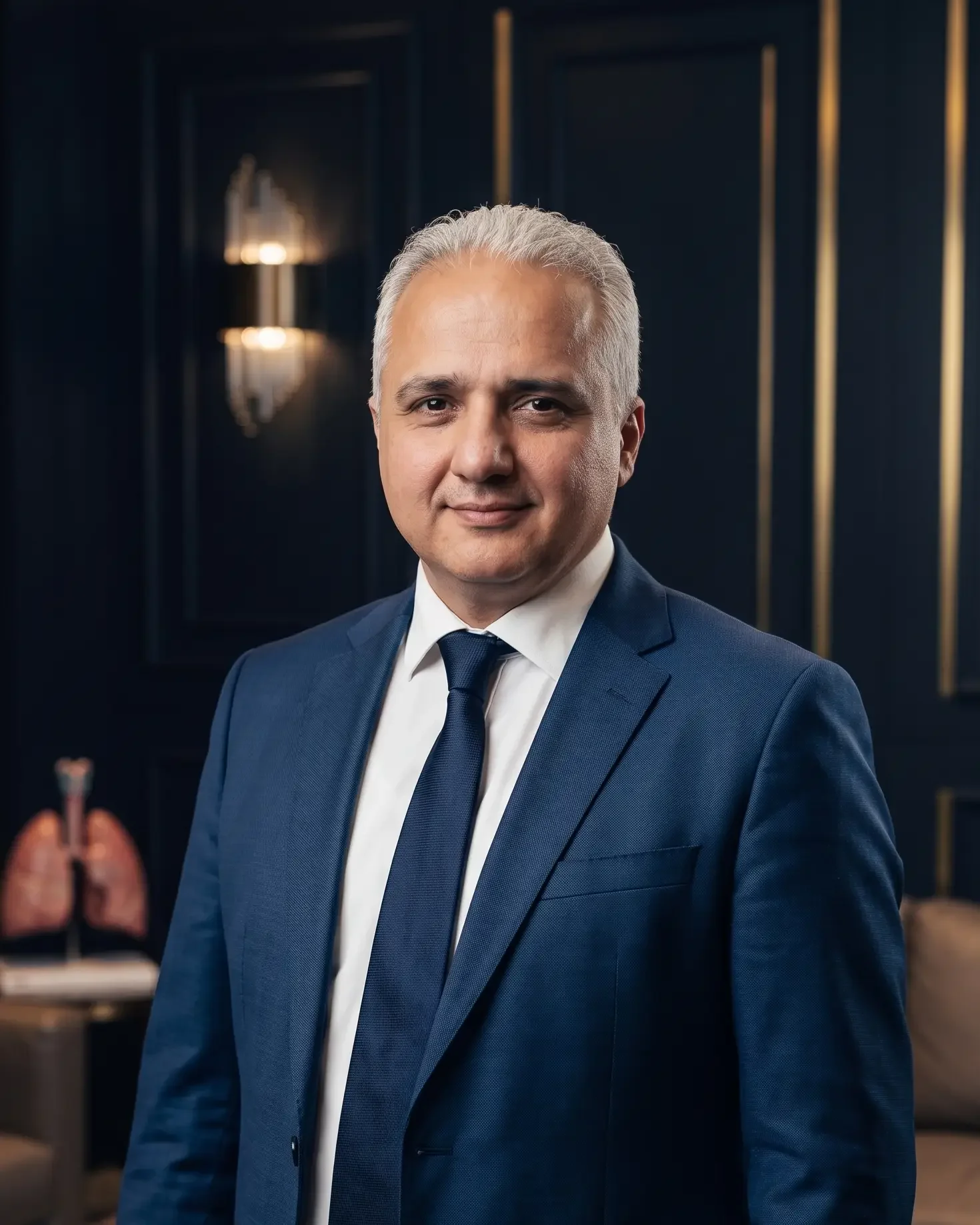
Your Surgeon: Prof. Dr. Akın Akakın
Prof. Dr. Akın Akakın has performed over 300 DBS procedures, one of the highest volumes in Turkey. He trained in DBS surgery at the University of Florida's Movement Disorders Centre and in Germany (Cologne and Düsseldorf). He organised Turkey's first DBS cadaveric training course in 2014 and has trained international neurosurgeons in the technique.
He uses microelectrode recording (MER) during every procedure for real-time electrophysiological confirmation of electrode placement, a precision technique that not all DBS centres employ.