Deep Brain Stimulation (DBS) in Turkey
FREE PRE-EVALUATION
Upload your Photos, X-Rays or MRI Reports to request analysis from a specialist.
Consultant Status: Online
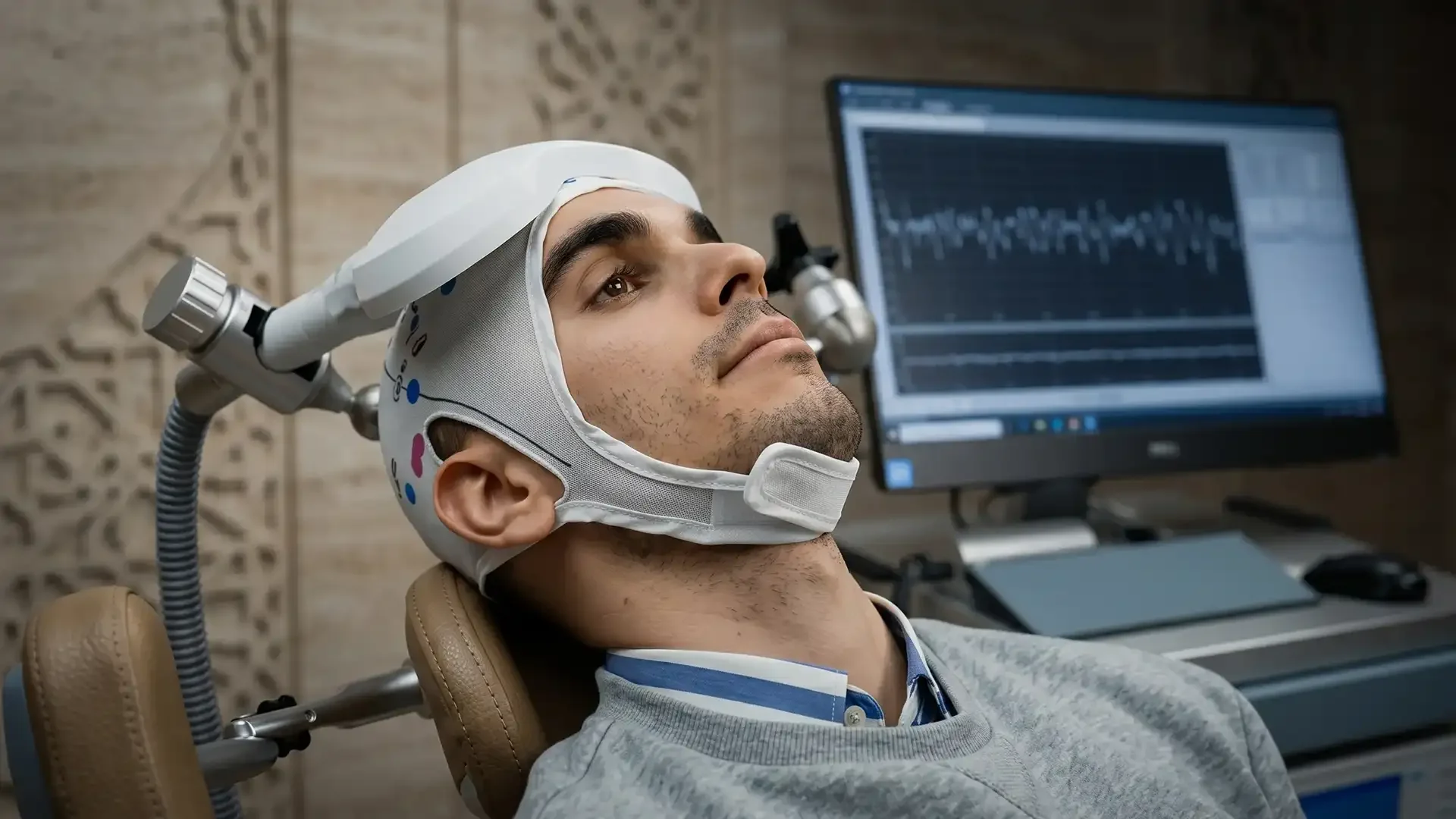
Deep brain stimulation is a neurosurgical procedure that implants thin electrodes into specific areas of the brain, connected to a pulse generator (similar to a cardiac pacemaker) placed under the skin near the collarbone. The device delivers precisely calibrated electrical impulses that modulate abnormal neural circuits, reducing or eliminating the motor symptoms of Parkinson's disease, essential tremor, and dystonia.
DBS does not cure these conditions, but in appropriate candidates it can dramatically improve quality of life, reducing tremor, rigidity, and involuntary movements to a degree that medication alone cannot achieve, often allowing patients to reduce their medication burden and regain independence in daily activities.
Turkey has emerged as a destination for DBS surgery because of a specific combination: experienced surgeons with high case volumes, JCI-accredited hospital infrastructure, significantly lower costs than Western Europe or the United States, and coverage under Turkey's SGK (Social Security Institution) that further reduces out-of-pocket expense.
Conditions This Treatment Addresses
Frequently Asked Questions
About Deep Brain Stimulation (DBS) in Turkey
What is deep brain stimulation?
DBS is a neurosurgical procedure that implants electrodes in specific brain regions connected to a battery-powered pulse generator. The device sends electrical impulses that modulate abnormal brain circuits, reducing symptoms of Parkinson's disease, essential tremor, and dystonia. It is sometimes called a "brain pacemaker."
Who is a candidate for DBS?
DBS is typically recommended for Parkinson's patients whose symptoms no longer respond well to medication, or who experience severe medication side effects. For essential tremor and dystonia, DBS is considered when medication provides insufficient relief. Candidates must be in reasonable general health and undergo neurological and psychiatric assessment to confirm suitability.
How much does DBS cost in Turkey?
DBS surgery in Turkey costs approximately £12,000–£20,000, compared to £30,000–£50,000 in the UK and $50,000–$100,000+ in the United States. Turkey's SGK system may further reduce costs for eligible patients.
How many DBS surgeries has Prof. Dr. Akakın performed?
Prof. Akakın has performed over 300 DBS procedures, making him one of the highest-volume DBS surgeons in Turkey. He also organised the country's first DBS cadaveric training course and trains neurosurgeons internationally.
Is the patient awake during DBS surgery?
Typically, yes — during the electrode placement phase. Being awake allows the surgical team to test electrode positions by observing immediate symptom changes (e.g., tremor stopping). The second phase (pulse generator implantation) is performed under general anaesthesia. Awake surgery sounds daunting, but the brain itself has no pain receptors, and patients report that the experience is manageable.
How long does it take to see results?
The pulse generator is usually activated 2–4 weeks after surgery. Programming is then refined over several sessions. Most patients experience significant improvement within the first few months, with ongoing optimisation over the first year.
Is DBS reversible?
Yes. Unlike ablative procedures that destroy brain tissue, DBS is reversible — the electrodes can be turned off or removed if needed. This reversibility is one of the key advantages of DBS over older surgical approaches.
How long does the battery last?
Non-rechargeable pulse generators last approximately 3–5 years before replacement (a minor outpatient procedure). Rechargeable models last 15+ years. Your surgeon will recommend the appropriate device based on your stimulation needs.
What Conditions Does DBS Treat?
Parkinson's Disease
DBS is most commonly indicated for Parkinson's patients whose symptoms no longer respond adequately to medication, or who experience severe medication side effects such as dyskinesia (involuntary movements). The electrodes are typically placed in the subthalamic nucleus (STN) or globus pallidus internus (GPi). Successful DBS can reduce tremor, rigidity, bradykinesia (slowness of movement), and medication-induced dyskinesia, and often allows a significant reduction in levodopa dosage.
DBS is not appropriate for all Parkinson's patients. Ideal candidates have a clear levodopa-responsive form of the disease (meaning symptoms improve with medication but the improvement has become inconsistent or insufficient), are in good general health, and do not have significant cognitive impairment.
Read more about Parkinson's Treatment in Turkey →
Essential Tremor
Essential tremor is the most common movement disorder worldwide, causing involuntary shaking (usually of the hands) that worsens with purposeful movement. When medication fails to control the tremor adequately, DBS targeting the ventral intermediate nucleus (VIM) of the thalamus can reduce tremor by 70–90% in most patients.
Dystonia
Dystonia causes sustained or intermittent muscle contractions that produce abnormal postures and movements. DBS targeting the GPi is effective for both generalised dystonia (affecting the entire body) and cervical dystonia (affecting the neck). Response to DBS in dystonia is typically gradual, with maximum benefit developing over weeks to months rather than immediately.
Other Indications
DBS is also used in select cases of obsessive-compulsive disorder (OCD) and is being investigated for treatment-resistant depression, epilepsy, and Tourette syndrome. These applications remain more specialised and are evaluated on an individual basis.
DBS Cost in Turkey vs. the UK and Europe
| Country | DBS Surgery Cost (approximate) |
|---|---|
| United Kingdom (NHS wait + private) | £30,000–£50,000 |
| Germany | €35,000–€55,000 |
| United States | $50,000–$100,000+ |
| Turkey (Istanbul) | £12,000–£20,000 |
Turkey's SGK system covers DBS surgery for eligible patients, which can further reduce out-of-pocket costs. Pricing includes pre-operative assessment, the surgical procedure, implantable hardware (electrodes and pulse generator), hospital stay, and initial programming.
The DBS Procedure: What to Expect
Pre-Operative Assessment (1–2 days)
Comprehensive neurological evaluation including brain MRI, medication response testing, cognitive assessment, and psychiatric screening. The neurosurgeon and neurologist jointly determine whether the patient is a suitable candidate and which brain target is optimal for their specific condition and symptom profile.
Surgery: Electrode Implantation (4–6 hours)
The procedure is performed in two stages, often on the same day:
Stage 1: Electrode placement. A stereotactic frame or frameless navigation system is used to guide thin electrodes to the precise brain target with sub-millimetre accuracy. Microelectrode recording (MER) is used to map the target nucleus in real time, listening to the electrical signatures of individual neurons to confirm optimal placement. The patient is typically awake during this phase so the surgical team can test electrode positions by observing immediate symptom changes.
Stage 2: Pulse generator implantation. Under general anaesthesia, the pulse generator (IPG) is placed under the skin below the collarbone and connected to the brain electrodes via extension wires tunnelled under the skin.
Post-Operative Recovery (3–5 days)
Patients remain in hospital for monitoring and initial recovery. Brain imaging confirms electrode position. The pulse generator is typically activated 2–4 weeks after surgery, once post-operative swelling has resolved.
Programming (ongoing)
The DBS system is programmed and fine-tuned over multiple sessions to find the optimal stimulation parameters (frequency, amplitude, and pulse width) for maximum symptom control with minimal side effects. Programming can be adjusted non-invasively at any time.
Your Surgeon: Prof. Dr. Akın Akakın
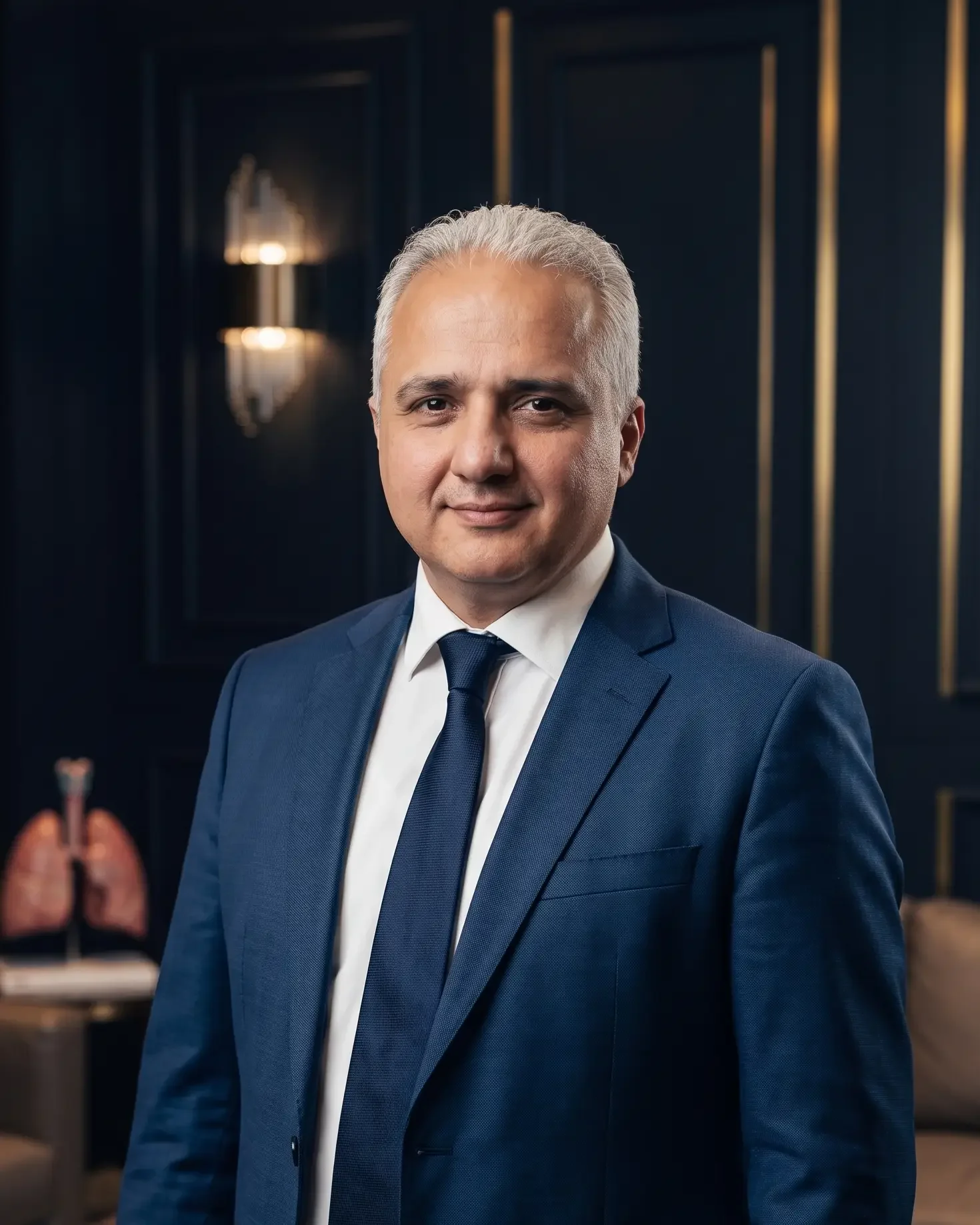
Vellum Select's curated DBS surgeon is Prof. Dr. Akın Akakın, a professor of neurosurgery at Üsküdar University who operates at Medical Park Göztepe Hospital Complex and İstinye University Liv Hospital Bahçeşehir in Istanbul.
Prof. Akakın has performed more than 300 DBS procedures, placing him among the highest-volume functional neurosurgeons in Turkey. He trained in DBS surgery at the University of Florida's Movement Disorders Centre and at specialist centres in Cologne and Düsseldorf, Germany, and earlier worked as a Research Scientist under Prof. Albert L. Rhoton Jr. at the University of Florida.
In 2014, he organised Turkey's first cadaveric DBS training course and has since trained neurosurgeons from multiple countries including Croatia, Saudi Arabia, Libya, the UAE, Morocco, and Iran. His unit at BAU Medical Faculty was recognised as a Centre of Excellence for functional neurosurgery and microelectrode recording (MER) technique.
He uses microelectrode recording during every DBS procedure to verify electrode placement in real time, a practice that improves accuracy but requires specific expertise and equipment not available in all centres.
View Prof. Dr. Akakın's full profile →
Why Istanbul for DBS Surgery?
Surgeon experience at scale. Prof. Akakın's 300+ DBS case volume means he has encountered and managed the full range of anatomical variants, disease presentations, and intraoperative challenges. Statistical confidence in outcomes increases with surgical volume.
Cost accessibility. DBS surgery in Turkey costs 60–75% less than in the UK or US. The implantable hardware (electrodes and pulse generator) is the same brand and model used worldwide (Medtronic, Abbott, or Boston Scientific) procured through the same global supply chain.
SGK coverage. Turkey's social security system covers DBS surgery, which can further reduce costs for eligible patients.
Hospital infrastructure. Both Medical Park Göztepe and Liv Hospital Bahçeşehir are JCI-accredited facilities with neurosurgical ICUs, intraoperative MRI and CT capabilities, and dedicated neuronavigation suites.
Journey to Recovery
Pre-Operative Assessment (1–2 days)
Comprehensive neurological evaluation including brain MRI, medication response testing, cognitive assessment, and psychiatric screening. The neurosurgeon and neurologist jointly determine whether the patient is a suitable candidate and which brain target is optimal for their specific condition and symptom profile.
Pre-Operative Assessment (1–2 days)
Comprehensive neurological evaluation including brain MRI, medication response testing, cognitive assessment, and psychiatric screening. The neurosurgeon and neurologist jointly determine whether the patient is a suitable candidate and which brain target is optimal for their specific condition and symptom profile.
Surgery, Electrode Implantation (4–6 hours)
The procedure is performed in two stages, often on the same day: *Stage 1: Electrode placement.* A stereotactic frame or frameless navigation system is used to guide thin electrodes to the precise brain target with sub-millimetre accuracy. Microelectrode recording (MER) is used to map the target nucleus in real time, listening to the electrical signatures of individual neurons to confirm optimal placement. The patient is typically awake during this phase so the surgical team can test electrode positions by observing immediate symptom changes. *Stage 2: Pulse generator implantation.* Under general anaesthesia, the pulse generator (IPG) is placed under the skin below the collarbone and connected to the brain electrodes via extension wires tunnelled under the skin.
Surgery, Electrode Implantation (4–6 hours)
The procedure is performed in two stages, often on the same day: *Stage 1: Electrode placement.* A stereotactic frame or frameless navigation system is used to guide thin electrodes to the precise brain target with sub-millimetre accuracy. Microelectrode recording (MER) is used to map the target nucleus in real time, listening to the electrical signatures of individual neurons to confirm optimal placement. The patient is typically awake during this phase so the surgical team can test electrode positions by observing immediate symptom changes. *Stage 2: Pulse generator implantation.* Under general anaesthesia, the pulse generator (IPG) is placed under the skin below the collarbone and connected to the brain electrodes via extension wires tunnelled under the skin.
Post-Operative Recovery (3–5 days)
Patients remain in hospital for monitoring and initial recovery. Brain imaging confirms electrode position. The pulse generator is typically activated 2–4 weeks after surgery, once post-operative swelling has resolved.
Post-Operative Recovery (3–5 days)
Patients remain in hospital for monitoring and initial recovery. Brain imaging confirms electrode position. The pulse generator is typically activated 2–4 weeks after surgery, once post-operative swelling has resolved.
Programming (ongoing)
The DBS system is programmed and fine-tuned over multiple sessions to find the optimal stimulation parameters (frequency, amplitude, and pulse width) for maximum symptom control with minimal side effects. Programming can be adjusted non-invasively at any time.
Programming (ongoing)
The DBS system is programmed and fine-tuned over multiple sessions to find the optimal stimulation parameters (frequency, amplitude, and pulse width) for maximum symptom control with minimal side effects. Programming can be adjusted non-invasively at any time.