Revision Rhinoplasty in Turkey
FREE PRE-EVALUATION
Upload your Photos, X-Rays or MRI Reports to request analysis from a specialist.
Consultant Status: Will be online in 3h 59m
Revision rhinoplasty (also called secondary rhinoplasty) is surgery to correct unsatisfactory results from a previous nose procedure. It is widely considered the most technically demanding operation in facial surgery. The anatomy has been altered, scar tissue has formed, cartilage may have been weakened or over-resected, and the surgeon must reconstruct rather than simply reshape.
Approximately 5–15% of primary rhinoplasty patients worldwide seek revision surgery. The reasons range from purely aesthetic dissatisfaction (asymmetry, over-reduction, unnatural appearance) to functional complications (breathing obstruction, nasal valve collapse, septal perforation) to a combination of both.
Turkey's high volume of rhinoplasty cases means its experienced surgeons see (and solve) more revision cases than most Western surgeons encounter in a career. For patients whose first surgery was performed elsewhere and did not deliver the expected result, Istanbul offers access to revision specialists at significantly lower cost than repeating the procedure in the UK or Europe.
Frequently Asked Questions
About Revision Rhinoplasty in Turkey
How long should I wait before having revision rhinoplasty?
A minimum of 12 months after your primary surgery. The nose needs this time for all swelling to resolve and tissues to stabilise. Operating earlier leads to inaccurate assessment and poorer outcomes. In some cases, 18 months is preferable.
Is revision rhinoplasty more risky than the first surgery?
It is more technically challenging, which means surgeon selection is even more critical. Complications are slightly more common than in primary rhinoplasty, primarily because of scar tissue, compromised blood supply, and the need for grafting. In experienced hands, revision rhinoplasty is safe and produces significant improvement.
Will I need cartilage from my rib?
Not always. If adequate septal or ear cartilage is available, rib cartilage is unnecessary. Rib grafting is reserved for major structural reconstruction — cases where the first surgery removed too much framework. Your surgeon will assess this during consultation.
Can a revision fix breathing problems caused by my first surgery?
Yes. Functional complications — nasal valve collapse, septal perforation, turbinate issues — are addressed during revision. Dr. Delioğlu's ENT specialisation means functional repair is a core part of every revision he performs, not an afterthought.
How many times can rhinoplasty be revised?
There is no absolute limit, but each revision becomes progressively more difficult due to accumulating scar tissue and diminishing available cartilage. The goal is to get it right on the first revision. This is why surgeon selection for revision is arguably more important than for primary surgery.
When will I see my final revision result?
Revision rhinoplasty results take longer to mature than primary cases — typically 15–24 months for the final shape to emerge due to thicker scar tissue and more extensive swelling.
When Is Revision Rhinoplasty Needed?
Revision rhinoplasty is appropriate when the primary surgery has produced one or more of the following:
Aesthetic problems: persistent asymmetry, pinched tip, over-narrowed bridge, visible cartilage irregularities, scooped-out (over-resected) dorsum, pollybeak deformity (fullness above the tip), inverted-V deformity, unnatural or "operated" appearance.
Functional problems: new or worsened breathing difficulty, nasal valve collapse (the side walls of the nose collapse inward during breathing), septal perforation, persistent deviation.
Combined problems: many revision patients present with both aesthetic and functional issues, as over-aggressive cartilage removal during the first surgery often compromises both appearance and structure simultaneously.
A minimum waiting period of 12 months after the primary surgery is recommended before revision, allowing all swelling to resolve and the tissues to stabilise. Performing revision too early leads to poor assessment and suboptimal results.
Why Revision Is More Complex Than Primary Rhinoplasty
Altered anatomy. The original cartilage framework has been cut, reshaped, or partially removed. Scar tissue has replaced normal tissue planes. The surgeon must work with (and often rebuild) a compromised structural foundation.
Cartilage grafting is frequently necessary. If the first surgeon removed too much cartilage, the revision surgeon needs donor cartilage to reconstruct the nasal framework. Sources include remaining septal cartilage, ear cartilage (conchal cartilage), or rib cartilage for major structural reconstruction. The need for grafting adds complexity and operating time.
Thicker scar tissue. The soft tissue envelope is thicker and less pliable due to scarring from the first surgery. This makes the nose less predictable in how it drapes over the rebuilt framework and extends the swelling period during recovery.
Higher stakes. Patients undergoing revision have already been through one surgical experience that did not meet expectations. The psychological and financial investment is higher, and the margin for error is narrower.
Revision Rhinoplasty Cost in Turkey
| Procedure | UK Cost | Turkey Cost |
|---|---|---|
| Revision rhinoplasty (standard) | £6,000–£10,000 | £3,000–£5,000 |
| Revision rhinoplasty with rib cartilage graft | £8,000–£12,000 | £4,000–£6,000 |
Revision rhinoplasty is typically 30–50% more expensive than primary rhinoplasty due to the increased complexity, longer operating time, and frequent need for cartilage grafting.
The Revision Process: What to Expect
Consultation (essential and thorough)
The consultation for revision rhinoplasty is significantly more detailed than for a primary procedure. The surgeon must understand what was done in the first surgery, what went wrong, what cartilage remains, and what structural reconstruction is needed. Patients should bring any operative reports, photos, or imaging from their primary surgery if available.
Digital imaging and clinical examination determine the surgical plan, which areas need correction, whether grafting is needed, and what degree of improvement is realistically achievable.
Surgery (2–4 hours)
Revision rhinoplasty almost always requires an open approach (external incision across the columella) to provide full visibility of the altered anatomy. The surgeon lifts the skin, assesses the existing framework, removes scar tissue, and rebuilds the structure using cartilage grafts where needed. Functional issues (breathing, valve collapse) are corrected simultaneously.
Recovery
Recovery follows a similar timeline to primary rhinoplasty but with more extended swelling. The splint is removed at day 7. Social recovery takes 2–3 weeks. Due to increased scar tissue and thicker soft tissue, final results may take 15–24 months to fully emerge, longer than primary rhinoplasty.
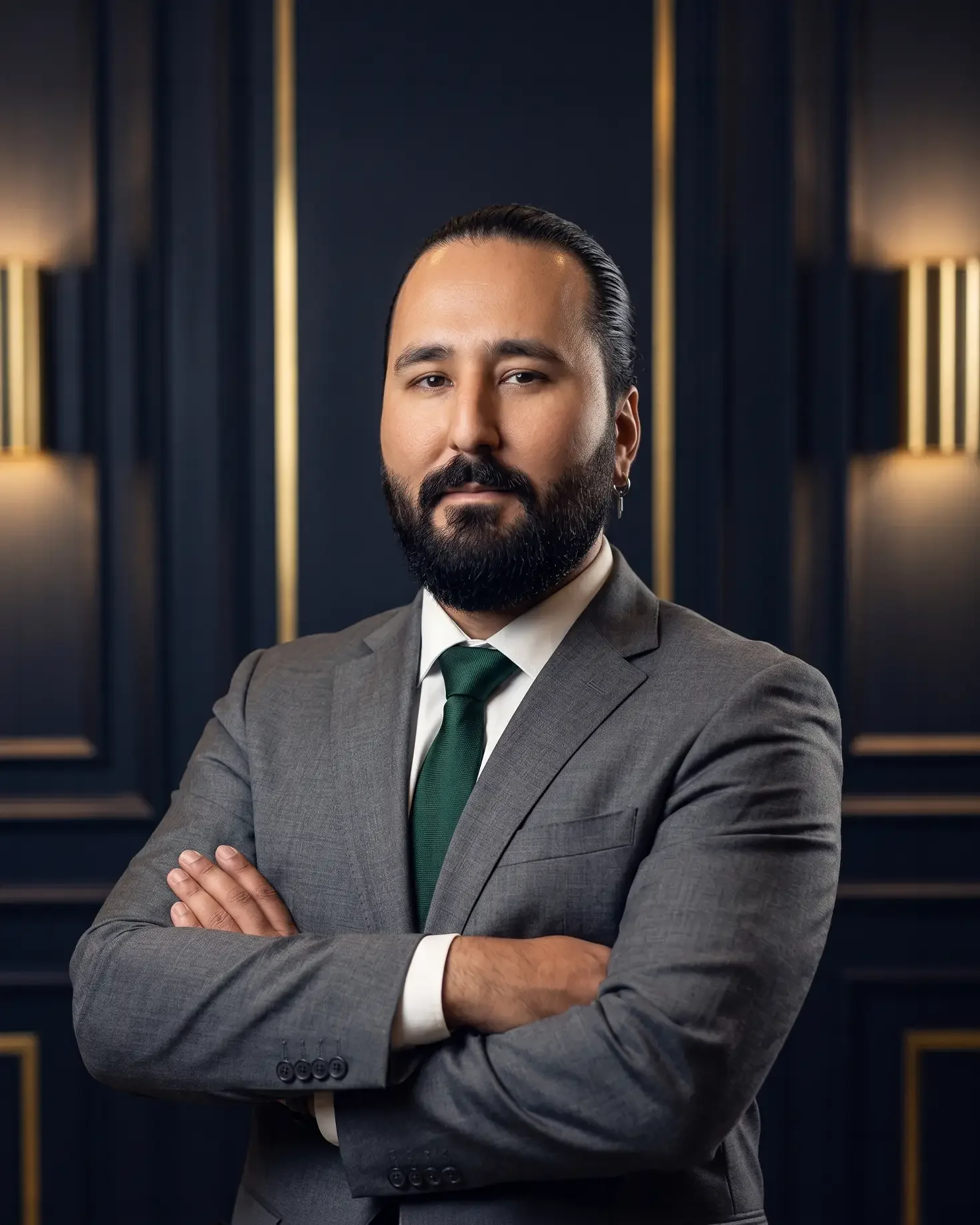
Your Surgeon: Op. Dr. Kemal Caner Delioğlu
Op. Dr. Kemal Caner Delioğlu is an ENT and Head & Neck Surgery specialist whose practice includes revision rhinoplasty. His ENT surgical background (encompassing both the external aesthetic and internal functional anatomy of the nose) is particularly valuable in revision cases, where breathing problems and structural compromise often coexist with cosmetic concerns.
His experience at high-volume Turkish city hospitals (Ankara City Hospital, Başakşehir Çam ve Sakura) exposed him to the full spectrum of rhinoplasty complexity, including revision of failed procedures, before he established his private practice in Beşiktaş, Istanbul.
Journey to Recovery
Consultation (essential and thorough)
The consultation for revision rhinoplasty is significantly more detailed than for a primary procedure. The surgeon must understand what was done in the first surgery, what went wrong, what cartilage remains, and what structural reconstruction is needed. Patients should bring any operative reports, photos, or imaging from their primary surgery if available. Digital imaging and clinical examination determine the surgical plan, which areas need correction, whether grafting is needed, and what degree of improvement is realistically achievable.
Consultation (essential and thorough)
The consultation for revision rhinoplasty is significantly more detailed than for a primary procedure. The surgeon must understand what was done in the first surgery, what went wrong, what cartilage remains, and what structural reconstruction is needed. Patients should bring any operative reports, photos, or imaging from their primary surgery if available. Digital imaging and clinical examination determine the surgical plan, which areas need correction, whether grafting is needed, and what degree of improvement is realistically achievable.
Surgery (2–4 hours)
Revision rhinoplasty almost always requires an open approach (external incision across the columella) to provide full visibility of the altered anatomy. The surgeon lifts the skin, assesses the existing framework, removes scar tissue, and rebuilds the structure using cartilage grafts where needed. Functional issues (breathing, valve collapse) are corrected simultaneously.
Surgery (2–4 hours)
Revision rhinoplasty almost always requires an open approach (external incision across the columella) to provide full visibility of the altered anatomy. The surgeon lifts the skin, assesses the existing framework, removes scar tissue, and rebuilds the structure using cartilage grafts where needed. Functional issues (breathing, valve collapse) are corrected simultaneously.
Recovery
Recovery follows a similar timeline to primary rhinoplasty but with more extended swelling. The splint is removed at day 7. Social recovery takes 2–3 weeks. Due to increased scar tissue and thicker soft tissue, final results may take 15–24 months to fully emerge, longer than primary rhinoplasty.
Recovery
Recovery follows a similar timeline to primary rhinoplasty but with more extended swelling. The splint is removed at day 7. Social recovery takes 2–3 weeks. Due to increased scar tissue and thicker soft tissue, final results may take 15–24 months to fully emerge, longer than primary rhinoplasty.